
Archive: 2026/01

MedWatch System Explained: How FDA Tracks Drug and Device Safety
MedWatch is the FDA's system for collecting reports of adverse events from drugs, medical devices, and other products. Learn how it works, who reports, why it matters, and how you can help improve patient safety.

Gallbladder and Biliary Disease: Understanding Stones, Cholangitis, and ERCP
Learn how gallstones form, when they become dangerous, and how ERCP and surgery treat bile duct blockages and cholangitis. Understand who’s at risk and what treatments actually work.
-
29.01.26 -
Alistair Mukondiwa -
15
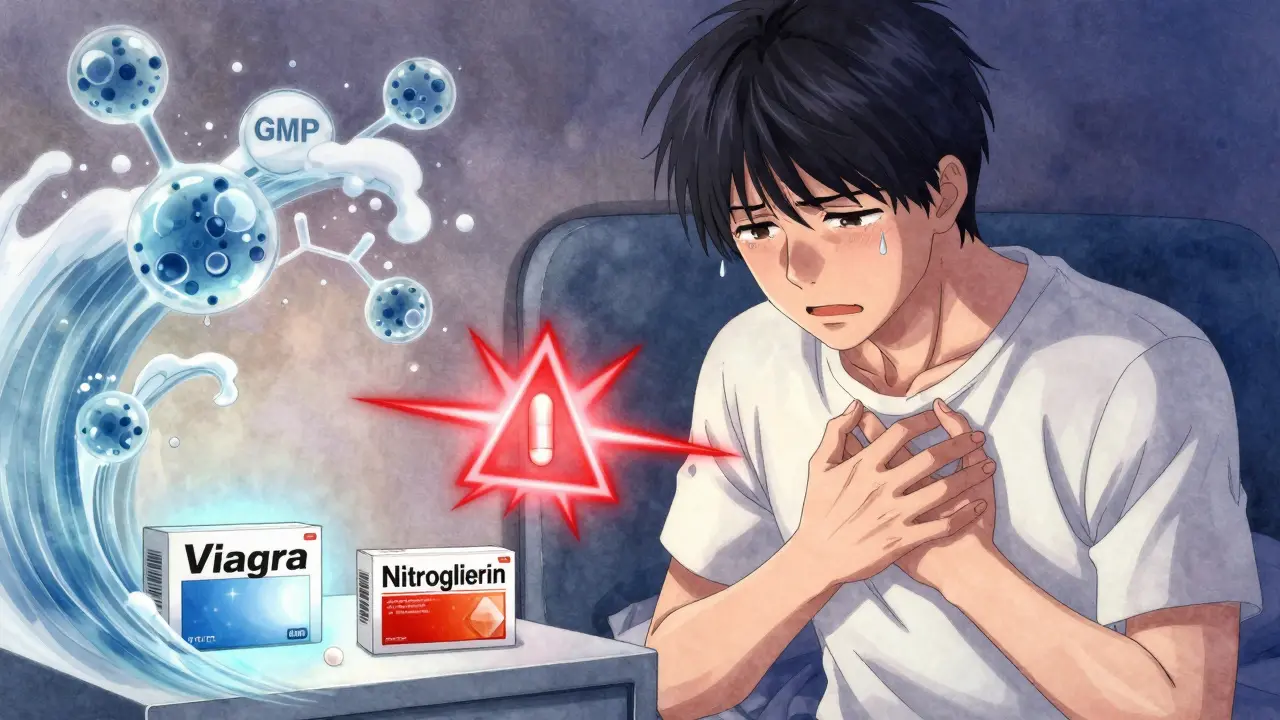
PDE5 Inhibitors and Nitrates: How Their Interaction Causes Dangerous Blood Pressure Drops
Mixing PDE5 inhibitors like Viagra or Cialis with nitrates can cause dangerous drops in blood pressure. Learn how the interaction works, how long to wait between doses, and what to do if it happens.
-
28.01.26 -
Alistair Mukondiwa -
8

Out-of-Pocket Costs: What Patients Really Pay for Generic vs Brand-Name Drugs
Generic drugs are cheaper - but not always for you. Learn why out-of-pocket costs for generics can be higher than brand-name drugs, how Medicare Part D tricks patients, and how to pay less using cash and transparency tools.
-
27.01.26 -
Alistair Mukondiwa -
14

Heart Disease Risk Factors: Age, Family History, Smoking, and What You Can Do
Learn the key heart disease risk factors - age, family history, smoking, high blood pressure, and more - and how to reduce your risk with proven lifestyle changes and medical guidance.
-
26.01.26 -
Alistair Mukondiwa -
13

Lopinavir/Ritonavir Boosting: How CYP3A4 Interactions Affect Real-World Drug Safety
Lopinavir/ritonavir boosts HIV treatment by inhibiting CYP3A4, but this creates dangerous interactions with dozens of common drugs. Learn how this aging combo still affects real patients worldwide-and what you must check before taking it.
-
24.01.26 -
Alistair Mukondiwa -
14
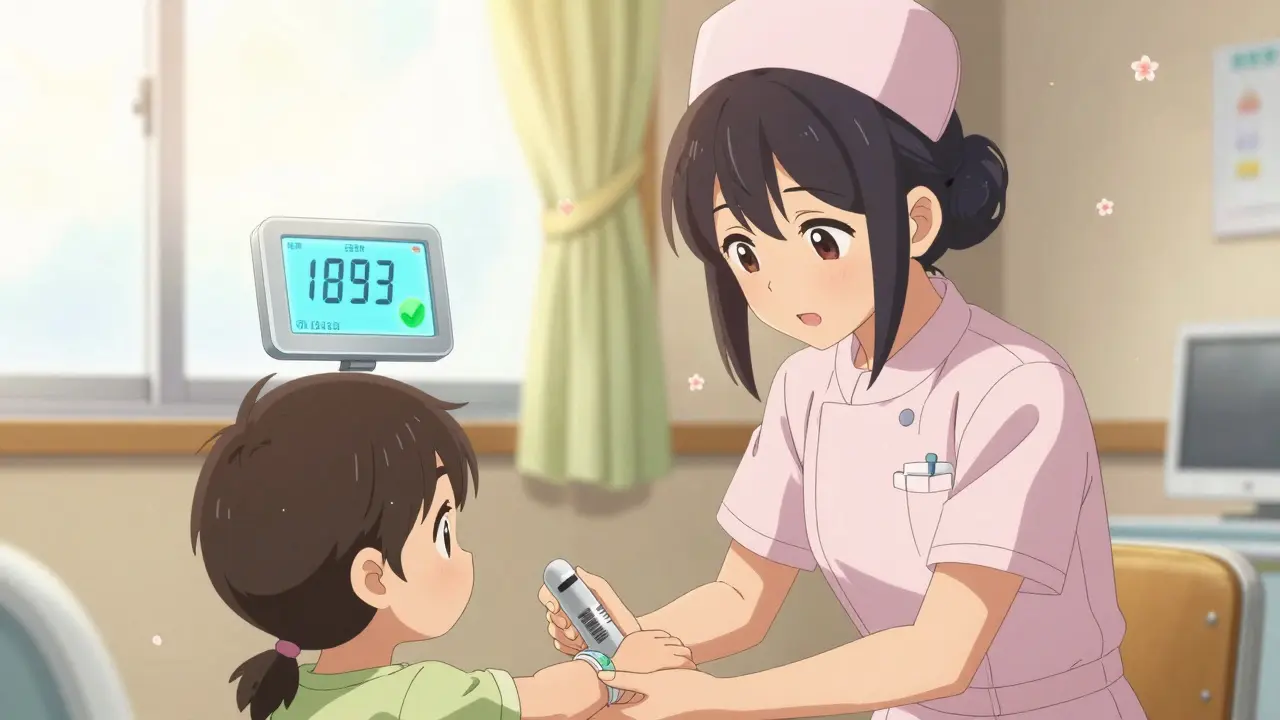
How to Prevent Pediatric Dispensing Errors with Weight-Based Checks
Pediatric medication errors often stem from weight-based dosing mistakes. Learn how mandatory weight verification at prescription, pharmacy, and bedside levels-combined with standardized units and smart technology-can prevent dangerous errors and save children's lives.
-
23.01.26 -
Alistair Mukondiwa -
11

Antihistamine Allergies and Cross-Reactivity: What to Watch For
Some people develop hives or worsened allergies from antihistamines instead of relief. This rare but real reaction involves paradoxical activation of H1 receptors. Learn the signs, what drugs to avoid, and how to find safer treatments.
-
22.01.26 -
Alistair Mukondiwa -
15

Ear Infections in Children: When to Use Antibiotics, Tubes, or Watchful Waiting
Learn when antibiotics, ear tubes, or watchful waiting are the right choices for children with ear infections. Evidence-based guidance for parents on managing middle ear infections safely and effectively.
-
21.01.26 -
Alistair Mukondiwa -
12

Patient Communication During Drug Shortages: What Providers Must Do
When drug shortages hit, providers must communicate clearly, honestly, and empathetically to keep patients safe and informed. Learn what’s required, what works, and how to prevent panic during medication crises.
-
20.01.26 -
Alistair Mukondiwa -
9
- Drug Information (76)
- Health and Wellness (60)
- Pharmacy Information (32)
- Medical Conditions (24)
- Supplements (5)
- Diabetes (4)
- Travel Health (3)
- Mental Health (3)
- Heart Health (2)
- Parenting (2)
-
Linezolid and Serotonin Syndrome: What You Need to Know About Antidepressant Risks
17 Nov 2025 -
Discover the Age-old Secret of Olive Dietary Supplements for Ultimate Health
1 Jun 2023 -
PDE5 Inhibitors and Nitrates: How Their Interaction Causes Dangerous Blood Pressure Drops
28 Jan 2026 -
Revolutionize Your Health with Angostura: The Must-Have Dietary Supplement for 2021
13 May 2023 -
Retinal Vein Occlusion: Understanding Risk Factors and Injection Treatments
21 Nov 2025
30.01.26
Alistair Mukondiwa
14