
Category: Drug Information - Page 3

Why Some People React Differently to Generic Medications
Generic medications save billions, but not everyone reacts the same way. For drugs with narrow therapeutic indexes, small differences in absorption can cause serious side effects. Here’s why some people feel worse after switching-and what to do about it.

Alcohol and Sleep Medications: The Hidden Danger of Combined Sedation
Mixing alcohol with sleep medications like Ambien or Lunesta can cause deadly sedation, slowed breathing, and even sleep-driving. Learn why no amount is safe and what alternatives exist.
-
13.01.26 -
Alistair Mukondiwa -
13

Nausea from Opioids: How to Manage It with Antiemetics, Timing, and Diet
Nausea from opioids is common but manageable. Learn how antiemetics, timing your doses, and simple diet changes can help you stay on your pain medication without feeling sick.
-
12.01.26 -
Alistair Mukondiwa -
8

Why Some Brand-Name Drugs Have No Generic Alternatives
Many brand-name drugs stay expensive for years after patents expire due to complex formulations, patent tricks, and regulatory hurdles. Here's why some medications have no generic alternatives - and what you can do about it.
-
11.01.26 -
Alistair Mukondiwa -
10

Aspirin with Other Blood Thinners: What You Need to Know About Bleeding Risks
Combining aspirin with blood thinners like warfarin or rivaroxaban doubles the risk of dangerous bleeding. Learn where it happens, who’s most at risk, and what to do to stay safe.
-
8.01.26 -
Alistair Mukondiwa -
12
VA Generic Coverage: How Veterans Affairs Formularies Control Prescription Costs and Access
Learn how the VA's generic-first formulary system gives veterans affordable, high-quality prescription drugs with low copays. Discover what's covered, how to check your meds, and why the VA's approach saves billions.
-
7.01.26 -
Alistair Mukondiwa -
12
Loperamide Abuse: Risks and Warning Signs of OTC Antidiarrheal Misuse
Loperamide abuse is a hidden danger in OTC antidiarrheals. Taking high doses to manage opioid withdrawal can cause fatal heart rhythms. Learn the warning signs, risks, and safer alternatives.
-
5.01.26 -
Alistair Mukondiwa -
10
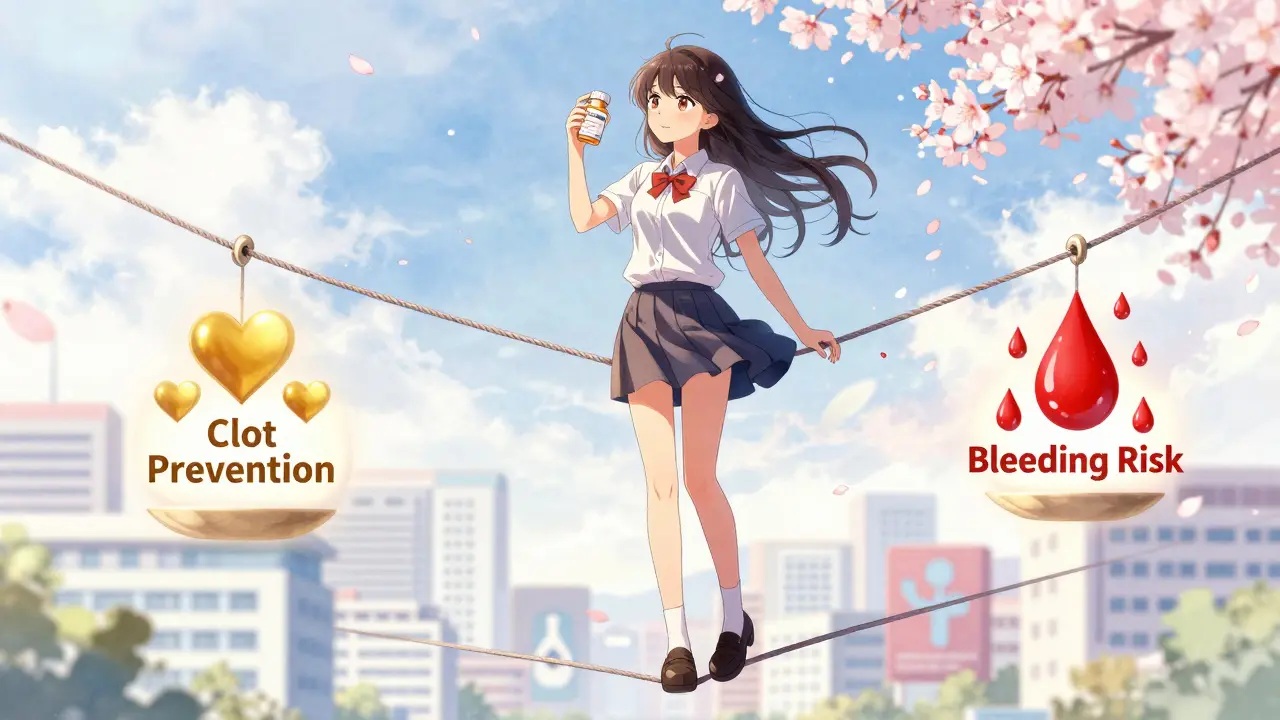
Anticoagulants and Bleeding Disorders: How to Prevent Hemorrhage Safely
Anticoagulants prevent dangerous clots but carry a real risk of bleeding. Learn how to reduce hemorrhage risk with DOACs, warfarin, kidney monitoring, reversal agents, and practical safety steps.
-
4.01.26 -
Alistair Mukondiwa -
12
Statins and Nonalcoholic Fatty Liver Disease: Safety, Benefits, and What to Monitor
Statins are safe and beneficial for people with nonalcoholic fatty liver disease (NAFLD). They reduce heart disease risk and may improve liver health - despite outdated fears. Learn the latest guidelines, monitoring rules, and why you shouldn't avoid them.
-
3.01.26 -
Alistair Mukondiwa -
14
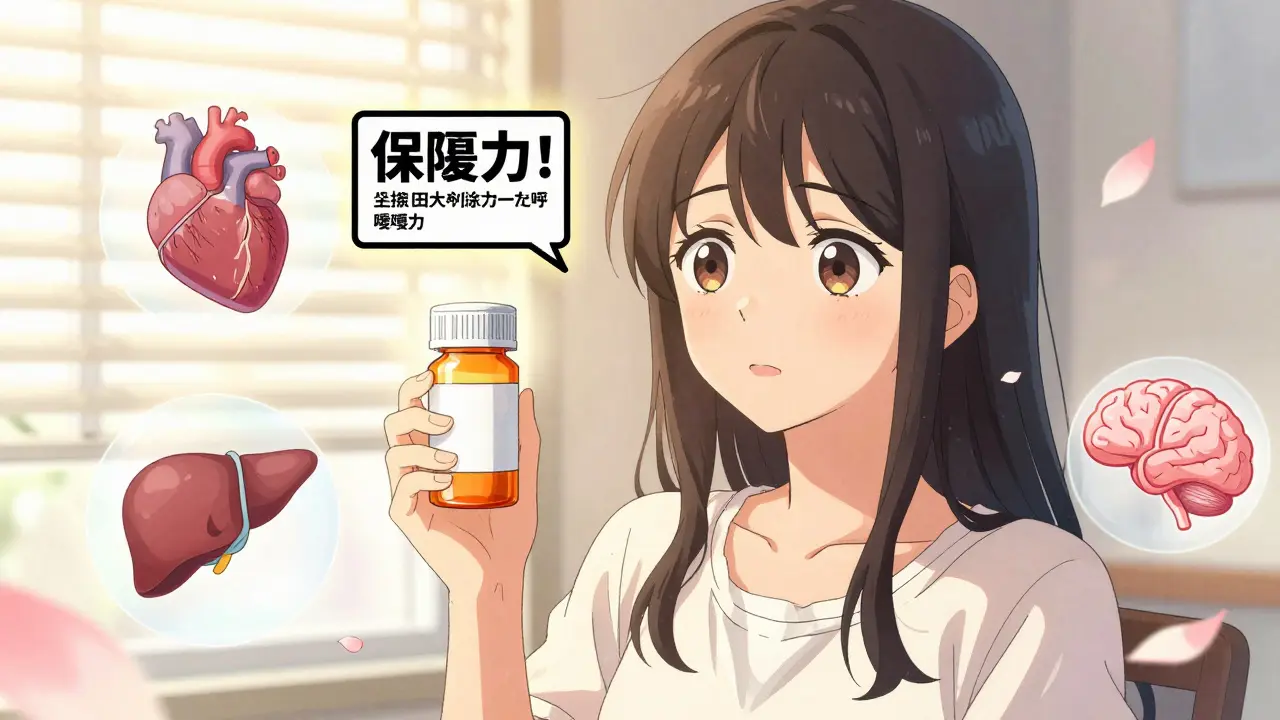
FDA Boxed Warnings Explained: What Every Patient Needs to Know
Boxed warnings from the FDA signal serious risks with certain medications. This guide explains what they mean, how to respond, and how to stay safe without avoiding necessary treatment.
-
3.01.26 -
Alistair Mukondiwa -
15
- Drug Information (76)
- Health and Wellness (60)
- Pharmacy Information (32)
- Medical Conditions (24)
- Supplements (5)
- Diabetes (4)
- Travel Health (3)
- Mental Health (3)
- Heart Health (2)
- Parenting (2)
-
Antihistamine Allergies and Cross-Reactivity: What to Watch For
22 Jan 2026 -
New Antidepressants with Better Side Effect Profiles: What’s Emerging in 2026
18 Jan 2026 -
Prograf (Tacrolimus) vs. Alternative Immunosuppressants: A Detailed Comparison
12 Oct 2025 -
Medication Guide Distribution Rules for Pharmacists & Providers (2025)
24 Oct 2025 -
Dental Prophylaxis for Children: Establishing Good Oral Hygiene Habits Early
27 Jun 2023
14.01.26
Alistair Mukondiwa
15