
Statin Muscle Pain: What It Is, Why It Happens, and What to Do
When you take a statin, a class of drugs used to lower LDL cholesterol and reduce heart attack risk. Also known as HMG-CoA reductase inhibitors, they’re among the most prescribed medications in the world. But for many, the benefit comes with a cost: statin muscle pain. It’s not just a minor annoyance—it can make walking, climbing stairs, or even getting out of bed feel impossible. And because it shows up weeks or months after starting the drug, people often blame aging, lack of exercise, or poor sleep instead of the medication.
Not all muscle pain from statins is the same. Some people feel a dull ache in their thighs or shoulders. Others get sharp cramps or weakness that feels like they’ve overtrained. In rare cases, it can lead to rhabdomyolysis—a dangerous breakdown of muscle tissue that can damage kidneys. The good news? Most muscle pain isn’t this severe. Studies show that up to 10% of people on statins report muscle symptoms, but only a small fraction have true drug-induced damage. Often, the pain is psychological or linked to other factors like vitamin D deficiency, thyroid issues, or even just moving less as you age. That’s why skipping your statin without checking with your doctor can be riskier than dealing with the discomfort.
What you can do starts with tracking. Keep a simple log: when did the pain start? Does it get worse after exercise? Does it ease when you stop the statin? This isn’t just for you—it helps your doctor decide if it’s the drug or something else. Blood tests for creatine kinase (CK) can show if your muscles are breaking down, but normal levels don’t always rule out statin-related pain. Some people find relief switching from atorvastatin to rosuvastatin, or lowering the dose. Others benefit from coenzyme Q10 supplements, though evidence is mixed. If you’re on a high-dose statin, your doctor might suggest a different cholesterol drug altogether, like ezetimibe or a PCSK9 inhibitor.
Statin muscle pain doesn’t mean you have to give up heart protection. Many people find a version that works—whether it’s a lower dose, a different drug, or combining statins with non-statin therapies. The key is not to suffer in silence or quit cold turkey. Talk to your provider. Get tested. Try alternatives. Your heart health matters, but so does your quality of life. Below, you’ll find real advice from people who’ve been there: how to document symptoms, what to ask your pharmacist, how to spot dangerous side effects, and what other medications might be making it worse. You’re not alone in this—and there are smarter ways forward.
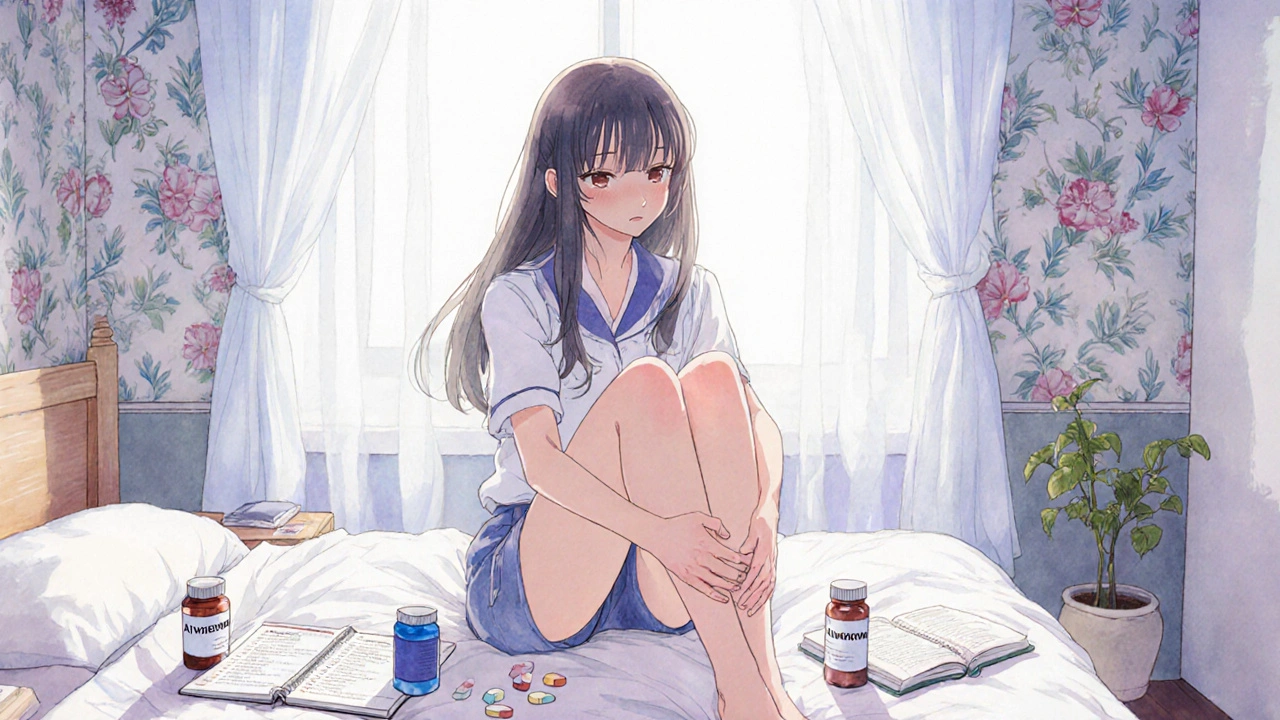
Muscle Aches from Statins: What Really Causes It and What to Do Next
Statins help prevent heart attacks but can cause muscle pain. Learn what’s really behind the soreness, who’s most at risk, and how to manage it without risking your heart health.
- Drug Information (75)
- Health and Wellness (60)
- Pharmacy Information (29)
- Medical Conditions (24)
- Supplements (5)
- Diabetes (4)
- Travel Health (3)
- Mental Health (3)
- Heart Health (2)
- Parenting (2)
-
Magnesium Hydroxide: Chemical Properties, Solubility, Ksp, and Reactions
28 Aug 2025 -
MedWatch System Explained: How FDA Tracks Drug and Device Safety
30 Jan 2026 -
How Pharmacogenetic Testing Prevents Adverse Drug Reactions
6 Dec 2025 -
Obesity Pathophysiology: How Appetite and Metabolism Go Wrong
1 Dec 2025 -
Thyroid Medications: How to Take Levothyroxine Right to Avoid Absorption Problems
11 Dec 2025
28.11.25
Alistair Mukondiwa
11