
Prescription Drug Prices: What You Pay and Why It Happens
When you pick up a prescription, the price on the receipt often feels random—sometimes it’s $5, sometimes it’s $200. That’s not just your luck. Prescription drug prices, the amount you pay for medications filled at a pharmacy, is shaped by a hidden system of middlemen, pricing rules, and legal loopholes. Also known as drug cost structure, it’s not about the pill itself—it’s about who controls the money between the manufacturer and your hands. Most people don’t realize their pharmacy might be losing money on every generic they sell, while a company halfway across the country pockets the difference. That’s the reality of PBM spread pricing, a practice where pharmacy benefit managers charge insurers more than they pay pharmacies, keeping the difference as profit. It’s why your $4 generic might cost your insurance $40, but the pharmacy only gets $6.
The system gets even trickier with MAC pricing, Maximum Allowable Cost, a list of capped prices pharmacies must use for generics. These lists are updated without warning, often lowering reimbursement just as your prescription runs out. And then there’s pharmacy reimbursement, how much pharmacies actually get paid after insurance and PBM adjustments. Many independent pharmacies operate on razor-thin margins—some even lose money on Medicare Part D claims. That’s why some stores won’t accept certain plans, or why you’re asked to pay cash instead. State substitution laws add another layer: some states force pharmacies to switch your brand drug to a cheaper generic, even if your doctor didn’t approve it.
It’s not just about cost—it’s about control. The same companies that set MAC prices also manage the lists of which drugs are covered, how much they’ll pay, and who gets to sell them. You’re not just paying for medicine—you’re paying for a complex, opaque system designed to maximize profit, not health. But you’re not powerless. Knowing how these pieces connect helps you ask the right questions: Is this the cheapest option? Can I pay cash instead? Is there a generic that’s not on the MAC list? The posts below break down real cases: how a single PBM policy wiped out a pharmacy’s income, why a $10 drug suddenly cost $120, and how patients saved hundreds by switching payment methods. You’ll see how laws meant to lower costs often do the opposite—and what you can do to take back some control over your own prescriptions.
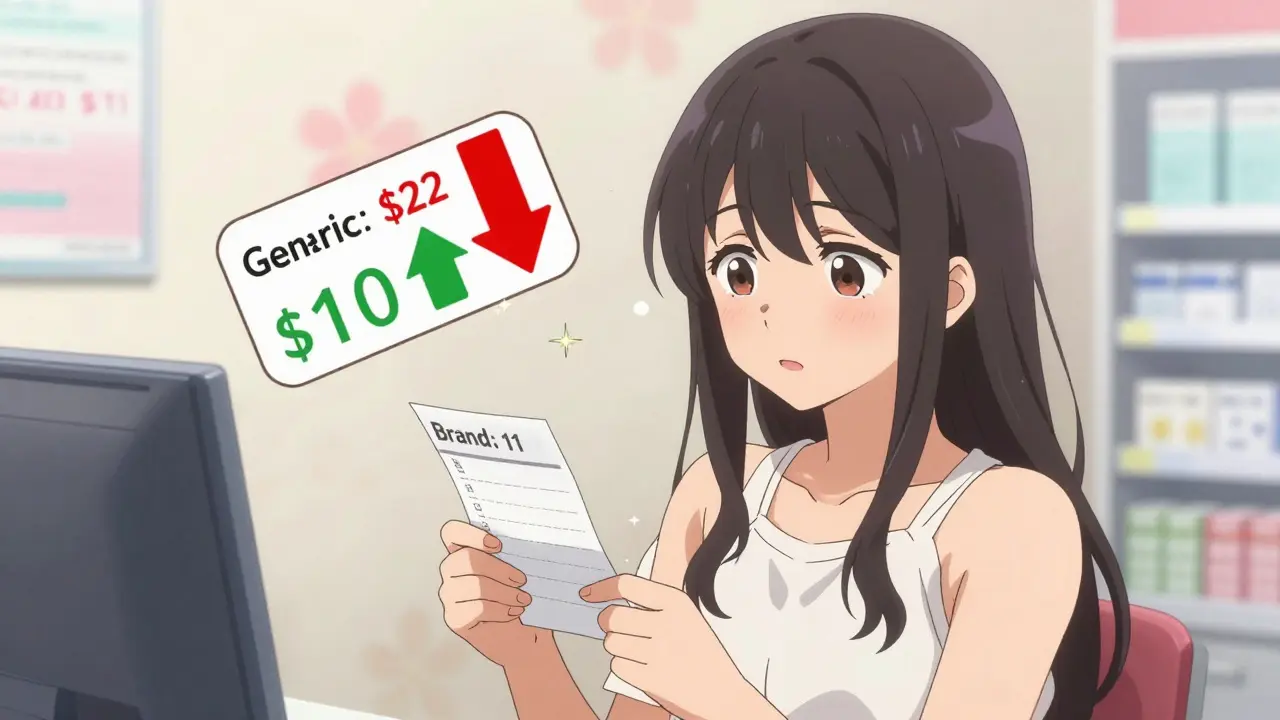
Out-of-Pocket Costs: What Patients Really Pay for Generic vs Brand-Name Drugs
Generic drugs are cheaper - but not always for you. Learn why out-of-pocket costs for generics can be higher than brand-name drugs, how Medicare Part D tricks patients, and how to pay less using cash and transparency tools.
Why Prescription Drug Prices Are So High in the United States
Americans pay far more for prescription drugs than people in other wealthy countries. This isn't about cost of production - it's about a broken system that lets drugmakers, middlemen, and insurers profit while patients struggle to afford life-saving meds.
-
14.11.25 -
Alistair Mukondiwa -
11
- Drug Information (75)
- Health and Wellness (60)
- Pharmacy Information (30)
- Medical Conditions (24)
- Supplements (5)
- Diabetes (4)
- Travel Health (3)
- Mental Health (3)
- Heart Health (2)
- Parenting (2)
-
Steroid Eye Drops: Benefits, Risks, and How to Monitor Them Safely
19 Nov 2025 -
RSV Infections: Risks for Infants, Older Adults, and How to Prevent Them
24 Feb 2026 -
How to Buy Cheap Generic Prilosec Online in Australia
13 Oct 2025 -
Exploring Cutting-Edge Alternatives to Propecia in 2025
31 Jan 2025 -
The Connection Between Lung Inflammation and Diabetes
6 May 2023
27.01.26
Alistair Mukondiwa
14