
Prescription Disposal: Safe Ways to Get Rid of Unused Medications
When you no longer need a prescription, throwing it in the trash or flushing it down the toilet isn’t just wrong—it’s dangerous. Prescription disposal, the proper handling and removal of unused or expired medications. Also known as drug disposal, it’s a critical step in preventing accidental poisonings, misuse, and environmental harm. The FDA and CDC agree: improper disposal contributes to opioid overdoses, water contamination, and kids finding pills in bathroom cabinets.
Many people don’t realize that drug take-back programs, official collection sites run by pharmacies, hospitals, or law enforcement are the safest option. These programs accept everything from painkillers to antidepressants and destroy them in controlled, eco-friendly ways. If your town doesn’t have one, the DEA hosts National Prescription Drug Take Back Days twice a year—free, anonymous, and available nationwide. For those rare cases where a take-back isn’t available, the FDA recommends mixing pills with dirt, coffee grounds, or cat litter, sealing them in a container, and tossing them in the trash. Never rinse them down the sink unless the label says so—most meds shouldn’t go in water.
Pharmaceutical waste, the leftover drugs that end up in landfills or waterways is a growing problem. Studies show traces of antidepressants, hormones, and antibiotics in drinking water sources. While the health impact on humans is still being studied, fish and wildlife are already showing behavioral changes. Proper prescription disposal isn’t just about safety—it’s about responsibility. And it’s easier than you think. Most pharmacies offer free drop-off bins. Some mail-back kits come with prepaid envelopes. Even your local police station might have a box in the lobby.
Don’t wait until your medicine cabinet is overflowing. Check expiration dates every six months. Ask your pharmacist if you’re unsure how to handle a specific drug. And if you’re caring for an elderly parent or someone on multiple meds, keep a running list of what’s in the house. That way, you’ll know what needs to go and when. The posts below cover real cases—how fentanyl patches react to heat, why caregivers need clear medication logs, and how to spot counterfeit drugs that might have ended up in your home. These aren’t abstract concerns. They’re daily risks you can prevent with one simple habit: disposing of what you don’t need, the right way.
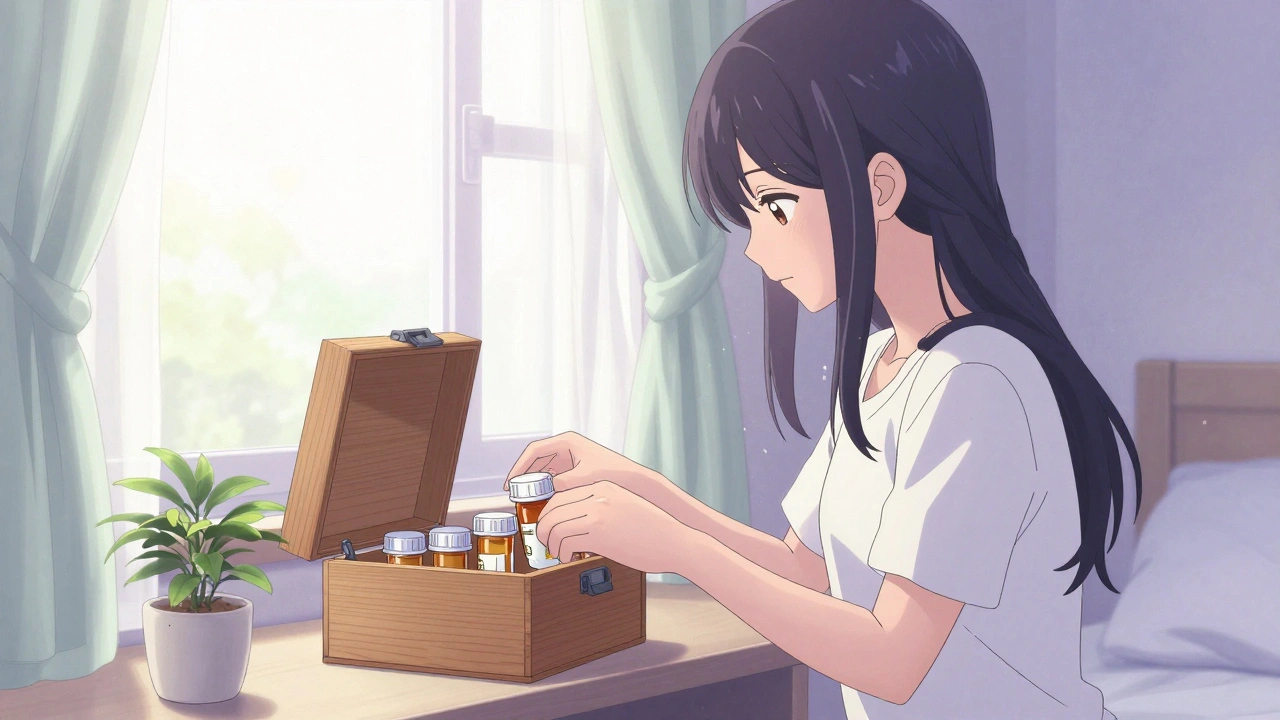
Medication Storage and Disposal: How to Safely Handle Prescriptions at Home and Beyond
Learn how to safely store and dispose of prescription medications to protect your family, prevent misuse, and avoid contaminating water supplies. Simple steps for home and professional settings.
- Drug Information (75)
- Health and Wellness (60)
- Pharmacy Information (31)
- Medical Conditions (24)
- Supplements (5)
- Diabetes (4)
- Travel Health (3)
- Mental Health (3)
- Heart Health (2)
- Parenting (2)
-
The Long-Term Effects of Atorvastatin Use
26 Jul 2023 -
Why Savin Tops is the Only Dietary Supplement You'll Ever Need for Weight Loss
1 Jul 2023 -
Retinal Vein Occlusion: Understanding Risk Factors and Injection Treatments
21 Nov 2025 -
Hucog HP vs. Other HCG Options: Detailed Comparison and Guidance
10 Oct 2025 -
Get Ready to Transform Your Health with Brickellia: The Ultimate Dietary Supplement for Modern Living
8 Nov 2023
8.12.25
Alistair Mukondiwa
11