
PBM Rebates: How Pharmacy Benefit Managers Control Drug Prices
When you pick up a prescription, the price you see isn’t the real cost—it’s shaped by PBM rebates, financial deals between pharmacy benefit managers, drug makers, and insurers that often hide the true cost of medications. Also known as pharmacy benefit managers, PBMs act as middlemen between drug manufacturers, pharmacies, and health plans, and their rebate systems are one of the biggest reasons why generic drugs still cost more than they should. These rebates aren’t discounts you see at the register. They’re secret payments drug companies make to PBMs after a prescription is filled, based on how much they sell. The more a drug gets prescribed, the bigger the rebate. But here’s the catch: PBMs don’t always pass those savings to you or your insurer. Instead, they keep part of it, and that’s why your copay stays high even when the drug’s wholesale price drops.
PBM rebates are tied to MAC pricing, maximum allowable cost, which is the cap insurers set for reimbursing pharmacies for generic drugs. When a PBM negotiates a rebate with a drug maker, they often lower the MAC rate to match the net price after the rebate, not the list price. That means pharmacies get paid less, even if they bought the drug at a higher cost. Many independent pharmacies lose money on every generic prescription they fill because of this gap between what they pay and what they get reimbursed. And patients? They’re stuck paying a copay based on the inflated list price, not the real net cost after rebates.
This system also affects drug substitution laws, rules that let pharmacists swap brand-name drugs for cheaper generics. PBMs push for substitutions because generics come with bigger rebates. But even when you get a generic, you might not save much—because the rebate goes to the PBM, not you. State laws try to protect patients, but they’re often outmatched by PBM contracts that override transparency. What’s worse, some PBMs even own pharmacies or mail-order services, giving them a financial incentive to steer prescriptions their way, not yours.
There’s no single fix, but understanding how PBM rebates work is the first step. You’re not just paying for a pill—you’re paying for a complex financial game played behind the scenes. The posts below dig into how these rebates connect to generic drug payments, pharmacy reimbursement models, and why your medication costs don’t match what’s advertised. You’ll find real examples of how these systems hurt small pharmacies, confuse patients, and inflate prices—even when generics are available. No fluff. Just the facts you need to understand what’s really happening at the pharmacy counter.
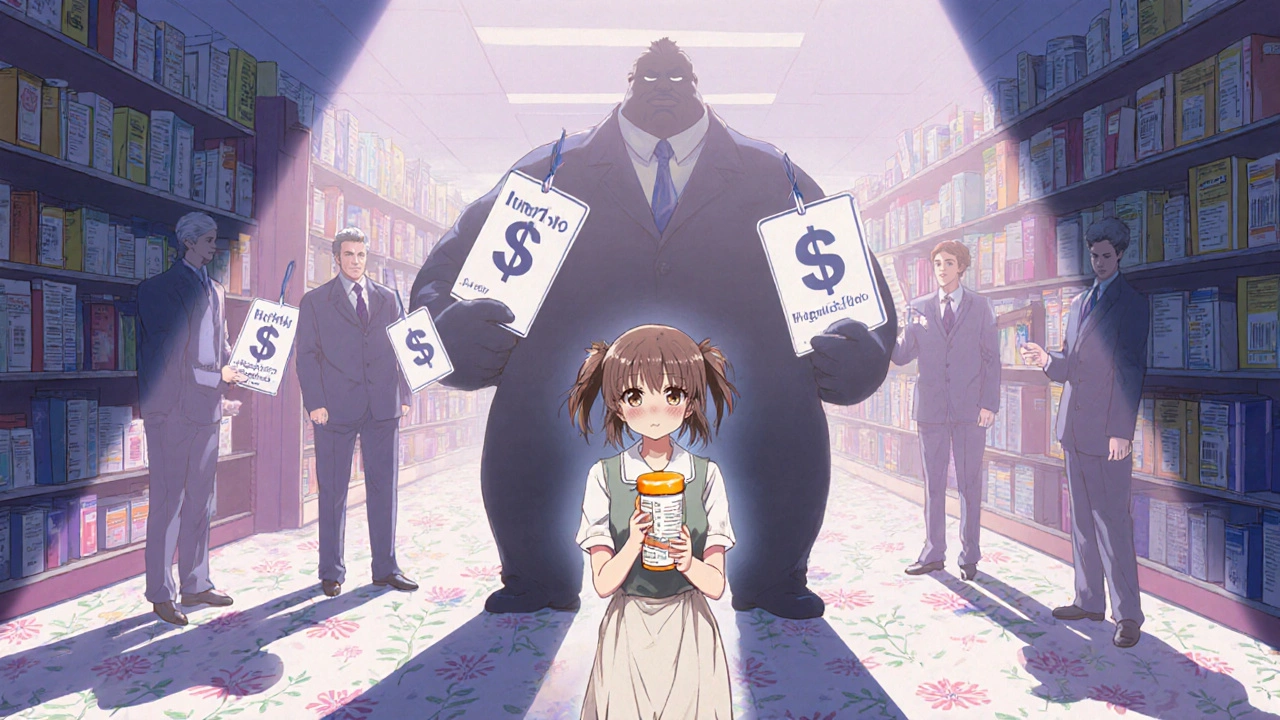
Why Prescription Drug Prices Are So High in the United States
Americans pay far more for prescription drugs than people in other wealthy countries. This isn't about cost of production - it's about a broken system that lets drugmakers, middlemen, and insurers profit while patients struggle to afford life-saving meds.
- Drug Information (75)
- Health and Wellness (60)
- Pharmacy Information (30)
- Medical Conditions (24)
- Supplements (5)
- Diabetes (4)
- Travel Health (3)
- Mental Health (3)
- Heart Health (2)
- Parenting (2)
-
Best Herbal Metformin Alternatives: Cinnamon, Fenugreek & More for Blood Sugar Control
29 Apr 2025 -
Buy Generic Levitra Online Cheap: Safe Guide & Prices 2025
24 Aug 2025 -
Breaking the Cycle: Sarcoptes Scabiei and Social Stigma
22 Jan 2025 -
Loperamide Abuse: Risks and Warning Signs of OTC Antidiarrheal Misuse
5 Jan 2026 -
Compare Emulgel (Diclofenac) with Top Alternatives for Pain Relief
30 Oct 2025
14.11.25
Alistair Mukondiwa
11