
Throwing away medicine isn't just a waste of money; it's a massive environmental headache. In the U.S. alone, the healthcare system loses about $20 billion every year because medications expire before they can be used. For a small clinic, that might look like $15,000 to $25,000 gone every year. Whether you're running a professional practice or just trying to organize your home medicine cabinet, the goal is the same: use what you have before it hits the expiration date without compromising safety.
The Golden Rule of Inventory: First-In, First-Out
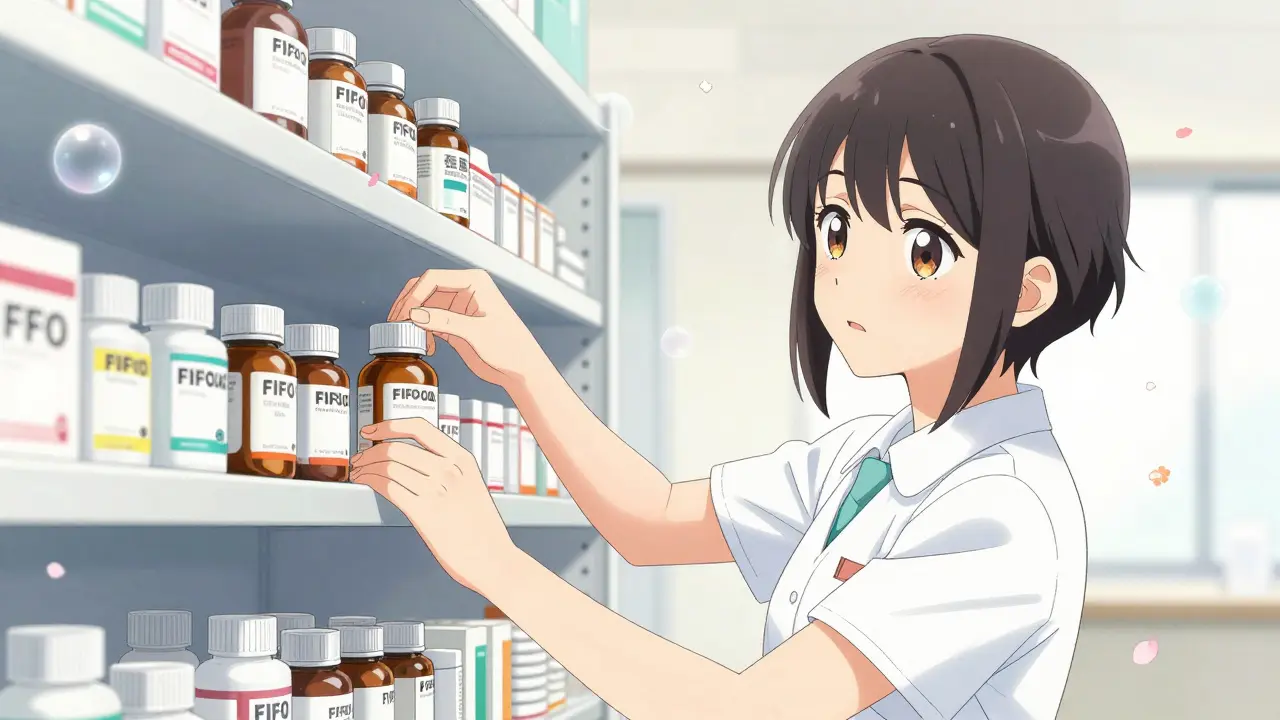
If you want to stop waste, you have to change how you stock your shelves. The most effective manual strategy is FIFO is an inventory rotation system where the oldest stock is used first to prevent items from expiring on the shelf. It sounds simple, but it's where most people fail. When a new shipment of meds arrives, the temptation is to put them at the front because it's faster. Instead, push the older stock to the front and tuck the new arrivals in the back.
To make this work in a busy environment, try these practical tips:
- Color-Code Your Danger Zone: Use bright red or yellow labels for any medication expiring within 30 days. This creates a visual "use this first" signal for anyone grabbing a dose.
- Friday Audits: Set a recurring calendar invite for every Friday morning to scan for upcoming dates. Checking in 7-day windows ensures nothing slips through the cracks.
- Dedicated Zones: Create a "Short-Date" bin for items that need to be prioritized over the next two weeks.
Mastering Storage Temperatures to Prevent Spoilage
An expiration date is only a guarantee if the drug was stored correctly. If a medication gets too hot or too cold, it can degrade long before the date on the box. According to USP Chapter <797>, which sets the standards for pharmaceutical compounding, precision is everything.
| Storage Type | Required Range (Fahrenheit) | Required Range (Celsius) | Common Risk |
|---|---|---|---|
| Refrigerated | 36°F - 46°F | 2°C - 8°C | Freezing or door gaps |
| Room Temperature | 68°F - 77°F | 20°C - 25°C | Direct sunlight/humidity |
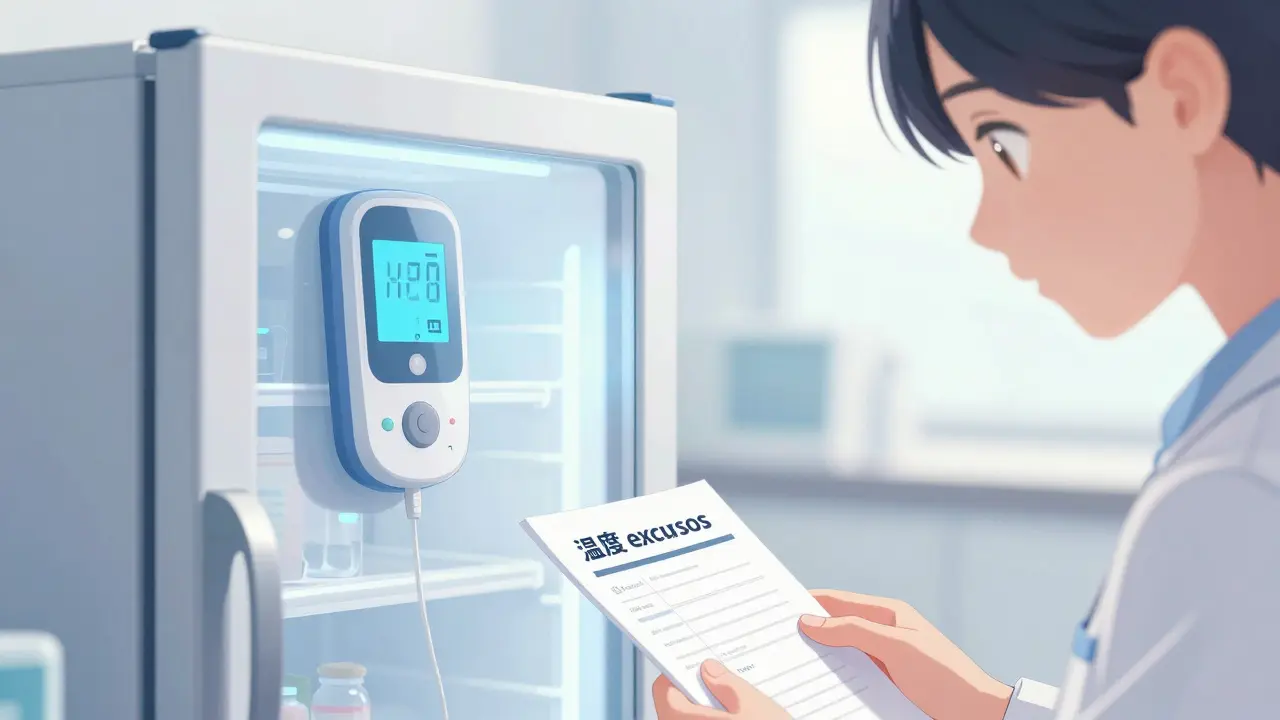
One real-world horror story involves a rural clinic that lost over $8,000 in biologics because they didn't have a continuous monitoring system; a fridge failed overnight, and they didn't know until the next morning. Using a digital thermometer with an alarm can prevent these "temperature excursions" that render expensive meds useless regardless of the date.
Scaling Up: From Manual Logs to Smart Systems
If you're managing a small home kit, a notebook and a sharpie are enough. But as soon as you have more than 10 providers or a high volume of patients, manual systems break down. This is where Electronic Medication Management comes in. Systems like Omnicell or Epic use barcode scanning and predictive analytics to track every single vial.
The difference in performance is stark. While manual rotation might reduce waste by 15-20%, tech-driven solutions can slash waste by 30% or more. These systems send automated alerts 30 days before a drug expires, removing the human error of forgetting to check a shelf. However, the tradeoff is the cost. A cloud-based system can cost between $8,000 and $15,000 annually, which is why smaller clinics often stick to the manual FIFO method until they hit a certain growth threshold.
Strategic Dispensing: The Best Way to Stop Waste at the Source
The most effective way to prevent waste isn't actually about how you store the drugs-it's about how much you give out. Dr. Sarah Thompson from the Mayo Clinic notes that dispensing smaller quantities aligned with the actual treatment duration can reduce waste by up to 37% in chronic care scenarios.
Think about "split-fill" prescriptions. Instead of giving a patient a 90-day supply of a medication that they might change or stop taking after three weeks, provide a 30-day supply with a scheduled refill. While this adds a bit more administrative work, it drastically reduces the amount of expensive medicine that ends up in a trash can. It's a win-win: the patient stays adherent, and the pharmacy doesn't lose money on unused stock.
Safe and Legal Disposal of Expired Meds
When a medication finally does expire, how you get rid of it is just as important as how you stored it. Pouring meds down the sink or tossing them in the trash can contaminate groundwater and soil. The EPA (Environmental Protection Agency) states that incineration is the only truly safe way to handle hazardous pharmaceuticals.
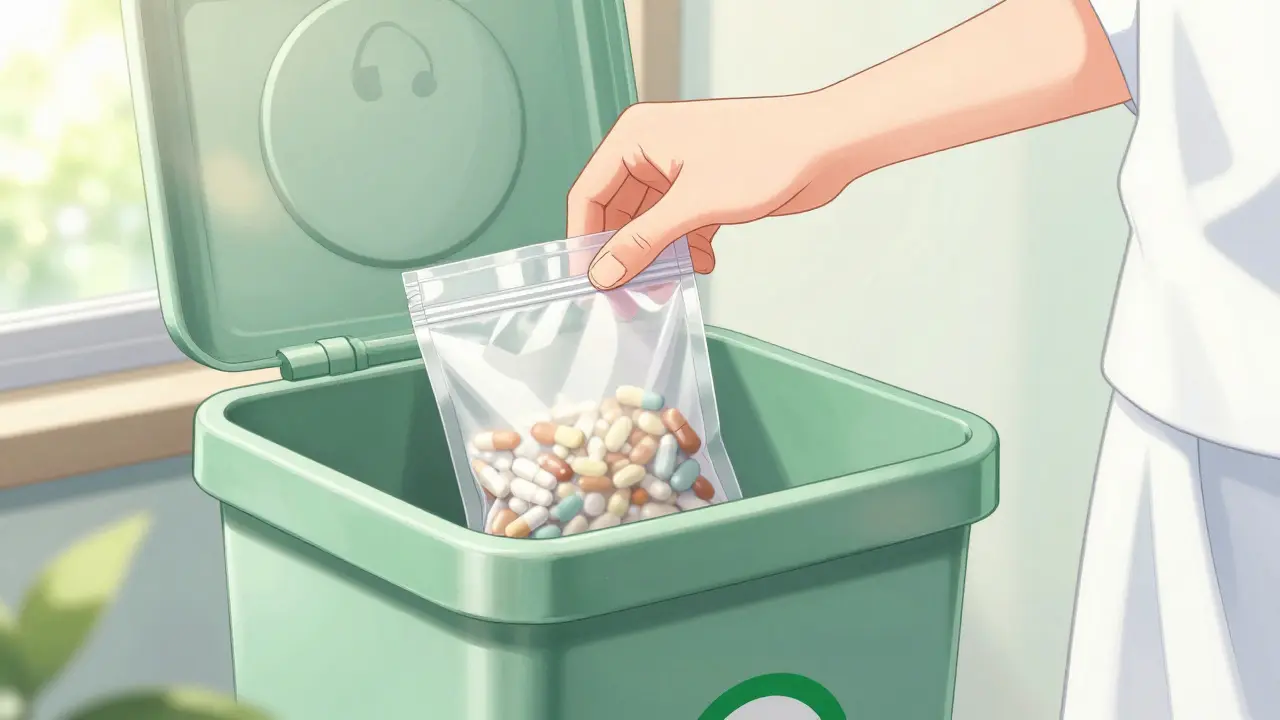
For most people, the gold standard is a take-back program. The FDA has expanded these programs to cover the vast majority of U.S. zip codes. If you can't find a collection site, check the FDA's "flush list"-this is a very small, specific list of high-risk opioids that are safe to flush if no other disposal method is available. For everything else, use a medication disposal bag or return them to a licensed pharmacy.
Are medications actually dangerous after the expiration date?
In most cases, medications don't become toxic immediately after the date. Instead, they lose potency. This means a drug that should be 100% effective might only be 80% effective, which is a huge risk for critical meds like insulin or nitroglycerin. While some stability data suggests certain drugs last longer, the labeled date is the only guarantee of full strength.
How often should I audit my medication inventory?
For professional settings, a weekly audit (ideally every Friday) is the industry standard to catch items in their final 30-day window. For home users, a quarterly review-perhaps every time the season changes-is usually sufficient to purge old meds and reorganize the cabinet.
What is the best way to track expiration dates without expensive software?
Use a combination of FIFO (First-In, First-Out) and a simple spreadsheet. List your medications and their expiration dates, then sort the list by date. Use a color-coded sticker system on the physical bottles: green for 6+ months, yellow for 3 months, and red for under 30 days.
Does humidity affect the expiration date of my medicine?
Yes, significantly. This is why you should never store medications in a bathroom cabinet. The heat and humidity from the shower can break down the chemical structure of the drug, making it expire much faster than the date on the package suggests. A cool, dry closet is always a better choice.
What should I do if I find a medication that expired a month ago?
Do not use it, especially if it is a life-saving medication. Contact your pharmacist to see if a replacement is necessary and use a certified take-back program to dispose of the expired product. Never throw it in the regular trash where pets or children could find it.