
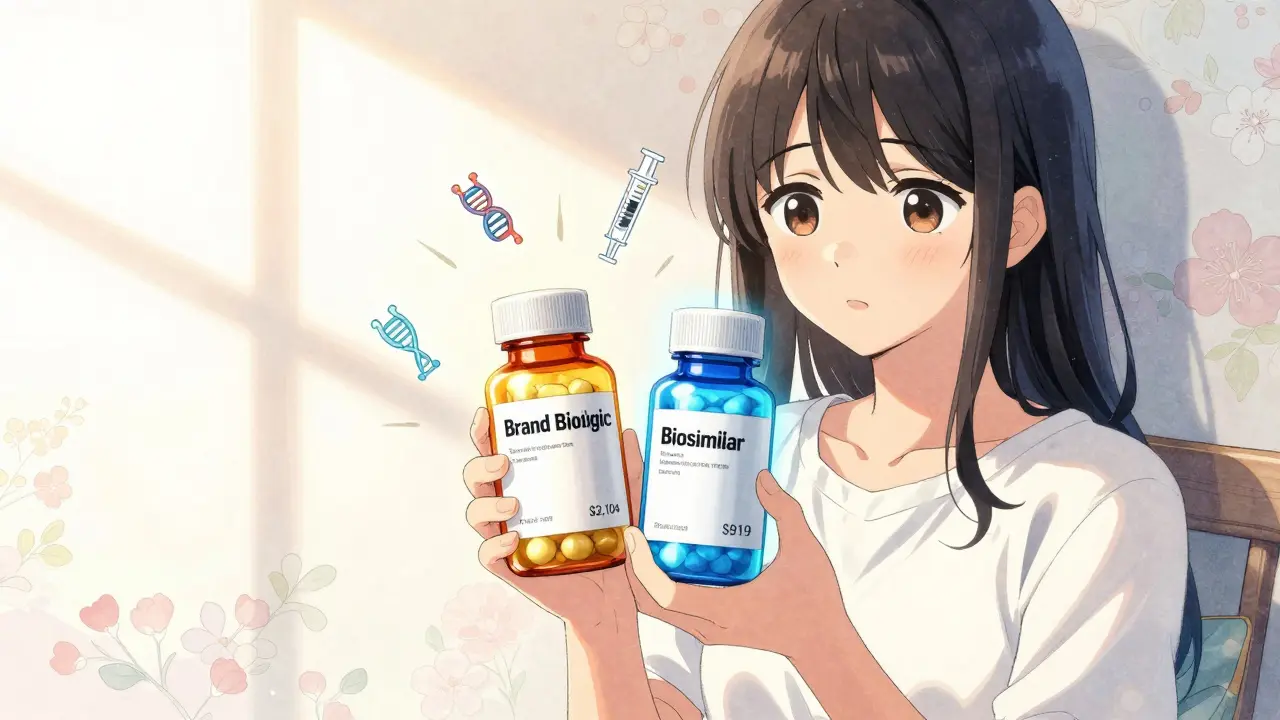
When you hear the word generic, you probably think of cheap pills that work just like the name-brand version. But when it comes to biologic drugs, that’s not the whole story. Biologics aren’t made in a lab like regular pills-they’re grown in living cells, making them incredibly complex. That’s why we don’t have true generics for them. Instead, we have biosimilars: highly similar, but not identical, versions of brand biologics. And the cost difference? It’s massive.
Why Biosimilars Aren’t Like Regular Generics
Regular generics are exact chemical copies of brand-name drugs. If you take a generic ibuprofen, you’re getting the same molecule as Advil. But biologics? They’re proteins, antibodies, or other large molecules made from living cells-like yeast, bacteria, or animal cells. Even tiny changes in how they’re made can affect how they work. That’s why the FDA doesn’t call them generics. They’re called biosimilars, and they’re approved only after proving they work just as safely and effectively as the original.The first biosimilar approved in the U.S. was Zarxio in 2015, a copy of filgrastim, a drug used to boost white blood cells after chemotherapy. Since then, the FDA has approved 76 biosimilars as of October 2025. Sounds like progress, right? But here’s the catch: there are about 600 biologic drugs on the market. That means less than 13% of them have a biosimilar alternative. Most patients still pay full price for brand biologics.
The Real Cost Difference: Numbers That Matter
Let’s cut through the noise with hard numbers. In the first half of 2025, the average 30-day cost of a brand biologic in the U.S. was $2,104. The same treatment with a biosimilar? $919. That’s a 56.3% drop in cost. For patients, that’s not just a savings-it’s life-changing. Out-of-pocket costs for biosimilars are 23% lower than for brand biologics, according to CSRxP’s 2025 fact sheet.Take Humira, the world’s best-selling drug. In 2022, it brought in $21.2 billion in global sales. A single year’s supply in the U.S. cost about $80,000 per patient. After its patent expired in 2023, biosimilars flooded the market. By Q2 2025, they held 65% of the market share-and were priced at an average 80% discount to Humira’s original list price. One biosimilar, Hyrimoz by Sandoz, grabbed 14% of that market on its own.
These aren’t outliers. DrugPatentWatch’s 2025 analysis found that biosimilars launch at prices more than 40% below the brand-and often drop further over time. The original brand drugs don’t just sit still either. Once biosimilars enter the market, the brand prices often fall by 25% on average. That’s competition at work.
How Much Have Biosimilars Saved So Far?
Since 2015, biosimilars have saved the U.S. healthcare system between $36 billion and $56 billion, depending on who’s counting. The U.S. Department of Health and Human Services says $56 billion. DrugPatentWatch says $36 billion. Either way, that’s billions saved in just over a decade.In 2024 alone, $20 billion was saved. That’s enough to cover the annual care for over 100,000 people with rheumatoid arthritis or Crohn’s disease. And it’s not just about the biosimilars themselves. The Association for Accessible Medicines (AAM) reports that generics and biosimilars together saved $445 billion in 2023. They make up 90% of all prescriptions but only 13% of total drug spending. That’s the power of competition.
Why Aren’t More People Using Biosimilars?
If the savings are this huge, why aren’t biosimilars everywhere? Because the system is rigged.Brand drug companies don’t just wait for patents to expire. They build patent thickets-dozens of overlapping, minor patents that delay biosimilar entry for years. A 2025 DrugPatentWatch analysis confirmed this is the same playbook used to block generic small-molecule drugs. It’s legal, but it’s not fair.
Then there are Pharmacy Benefit Managers (PBMs). These middlemen negotiate rebates with drug makers. The bigger the price, the bigger the rebate. So PBMs often get paid more to keep expensive brand biologics on the formulary than to switch to cheaper biosimilars. It’s called a rebate wall. The result? Even when a biosimilar is cheaper and just as effective, insurers may still push the brand drug.
On top of that, developing a biosimilar costs $100 million to $250 million-far more than a regular generic. That’s why only about 10% of biologics expected to lose patent protection in the next decade have a biosimilar in development. The high cost and legal barriers scare off smaller companies.
What’s Changing? The Road Ahead
The FDA is trying to fix this. In September 2025, they released new draft guidance to simplify biosimilar testing. No more unnecessary clinical trials. That could cut development time and cost by years. The Biden administration’s Biosimilars Action Plan, outlined in HHS’s November 2025 fact sheet, aims to remove market access barriers and align reimbursement policies to reward savings, not high prices.Experts agree: we’re missing a huge opportunity. Dr. Aaron Kesselheim from Harvard Medical School said in October 2025 that slow biosimilar adoption is a missed chance to save hundreds of billions over the next decade. Dr. Scott Gottlieb, former FDA commissioner, said streamlining approval and ending patent thickets could revolutionize affordability.
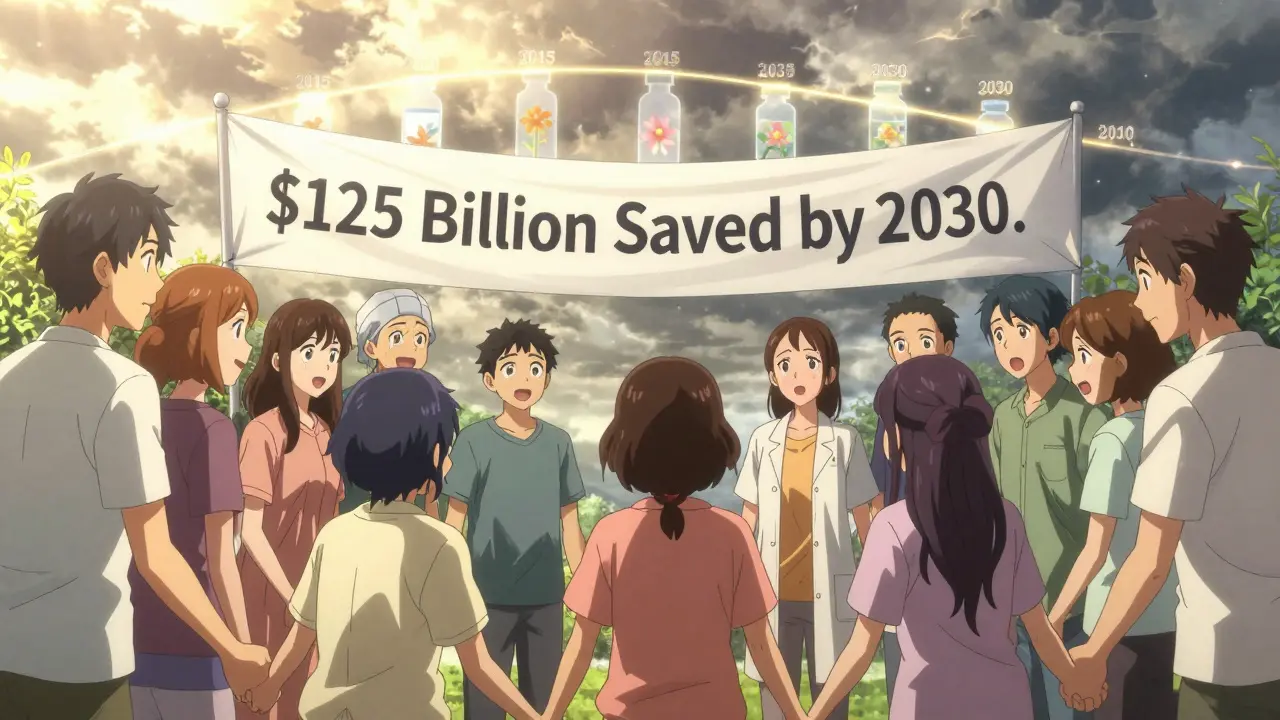
Analysts at Evaluate Pharma predict biosimilar market share will jump from 15-20% today to 35-40% by 2030. That could mean an extra $125 billion in annual savings. But that future only happens if policy, insurers, and doctors all choose savings over status quo.
What This Means for You
If you’re on a biologic drug-whether for rheumatoid arthritis, psoriasis, cancer, or diabetes-ask your doctor or pharmacist: Is there a biosimilar available? If your insurer says no, ask why. Ask if they’re being paid a rebate to keep you on the brand. If you’re paying $1,000 a month and a biosimilar costs $400, you’re overpaying.Don’t assume your insurance will automatically switch you. Sometimes, you have to ask. Sometimes, you have to appeal. But the savings are real. And the science is solid. FDA-approved biosimilars are as safe and effective as the brand drugs. That’s not marketing. That’s the FDA’s own word.
The system isn’t perfect. But if you know the numbers, you can push for change. And that change? It could save you thousands a year-and maybe even save the system from collapsing under its own weight.