
Steroid Eye Drops: What They Are, How They Work, and What You Need to Know
When your eyes are red, swollen, or burning from inflammation, steroid eye drops, prescription eye medications containing corticosteroids that reduce inflammation in the eye. Also known as corticosteroid eye drops, they’re one of the most powerful tools doctors have for calming serious eye conditions. But they’re not like artificial tears. These aren’t meant for daily use. Misuse can lead to glaucoma, cataracts, or even permanent vision damage.
Steroid eye drops work by shutting down the immune system’s local response. When your eye is inflamed—whether from allergies, an injury, or an autoimmune condition like uveitis—your body sends immune cells to the area. That’s what causes the redness, swelling, and pain. Steroid eye drops block those signals. They’re often prescribed after eye surgery, for severe allergic conjunctivitis, or to treat conditions like scleritis or keratitis. But they’re never a first-line fix for simple irritation. If you’re using them without a doctor’s direction, you’re playing with fire.
Related to this are ocular steroids, a broader category of steroid medications applied directly to the eye, which include creams, ointments, and injections. But eye drops are the most common because they’re easy to use and target the surface quickly. They’re also used differently than oral steroids. A pill affects your whole body. A drop affects just your eye. That’s why doctors prefer them—when used right. But because they’re so potent, even a few weeks of overuse can raise eye pressure. That’s why follow-ups aren’t optional. You need your eye pressure checked, even if your symptoms are gone.
People often confuse steroid eye drops with antibiotic drops or allergy drops. Antibiotics fight infection. Allergy drops block histamine. Steroid drops? They silence the inflammation itself. That’s why you’ll sometimes see them paired with antibiotics—like when you have an infected cornea and heavy swelling. But never mix them with anything unless your doctor says so. And never share them. A drop that helped your friend’s red eye could cause serious harm to yours.
The posts below cover real-world cases and concerns tied to steroid eye drops: how they interact with other medications, what happens when they’re used too long, how they compare to newer treatments, and why some patients end up with vision problems they didn’t see coming. You’ll find stories from people who used them after surgery, those who self-treated allergies, and others who didn’t realize the warning signs until it was too late. These aren’t theoretical risks. They’re documented, preventable mistakes. Whether you’re currently using steroid eye drops or considering them, this collection gives you the facts you need to stay safe—and know when to ask for help.
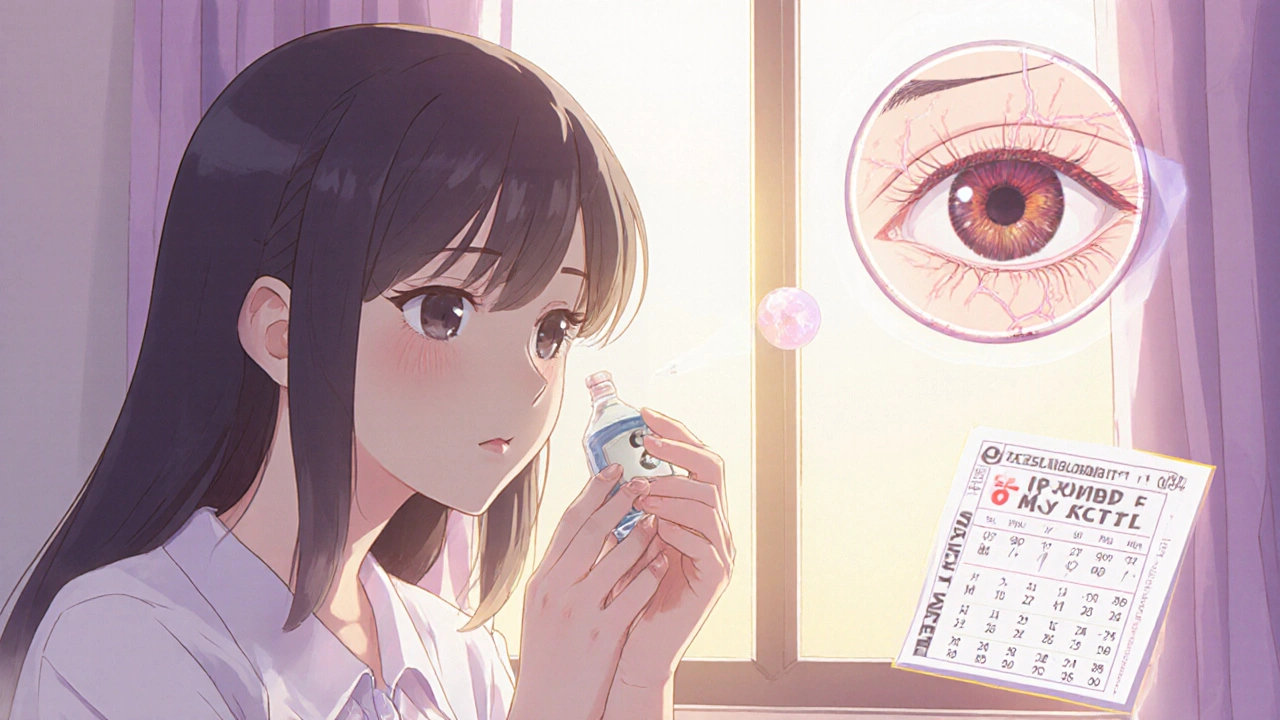
Steroid Eye Drops: Benefits, Risks, and How to Monitor Them Safely
Steroid eye drops reduce eye inflammation quickly but carry serious risks like glaucoma and cataracts. Learn how to use them safely, recognize warning signs, and why regular eye monitoring is non-negotiable.
- Drug Information (76)
- Health and Wellness (60)
- Pharmacy Information (32)
- Medical Conditions (24)
- Supplements (5)
- Diabetes (4)
- Travel Health (3)
- Mental Health (3)
- Heart Health (2)
- Parenting (2)
-
Baclofen vs. Alternative Muscle Relaxants: A Detailed Comparison
20 Oct 2025 -
Unleash Your Body's Full Potential with Medium Chain Triglycerides
26 Jun 2023 -
Import Alerts: How the FDA Blocks Drugs from Non-Compliant Manufacturers
10 Mar 2026 -
Osteoarthritis and Travel: Tips for Managing Symptoms on the Go
21 May 2023 -
Safe Ways to Order Tofranil Online
15 Jan 2025
19.11.25
Alistair Mukondiwa
9