
Proper Medication Handling: Safe Storage, Use, and Disposal Tips
When it comes to proper medication handling, the set of practices that ensure drugs are stored, taken, and discarded safely to prevent harm, misuse, or waste. Also known as medication safety, it’s not just about following labels—it’s about protecting your life and the lives of everyone around you. A single misstep—like leaving pills on the counter or flushing them down the toilet—can lead to accidental overdoses, environmental contamination, or even drug abuse by someone else in your home.
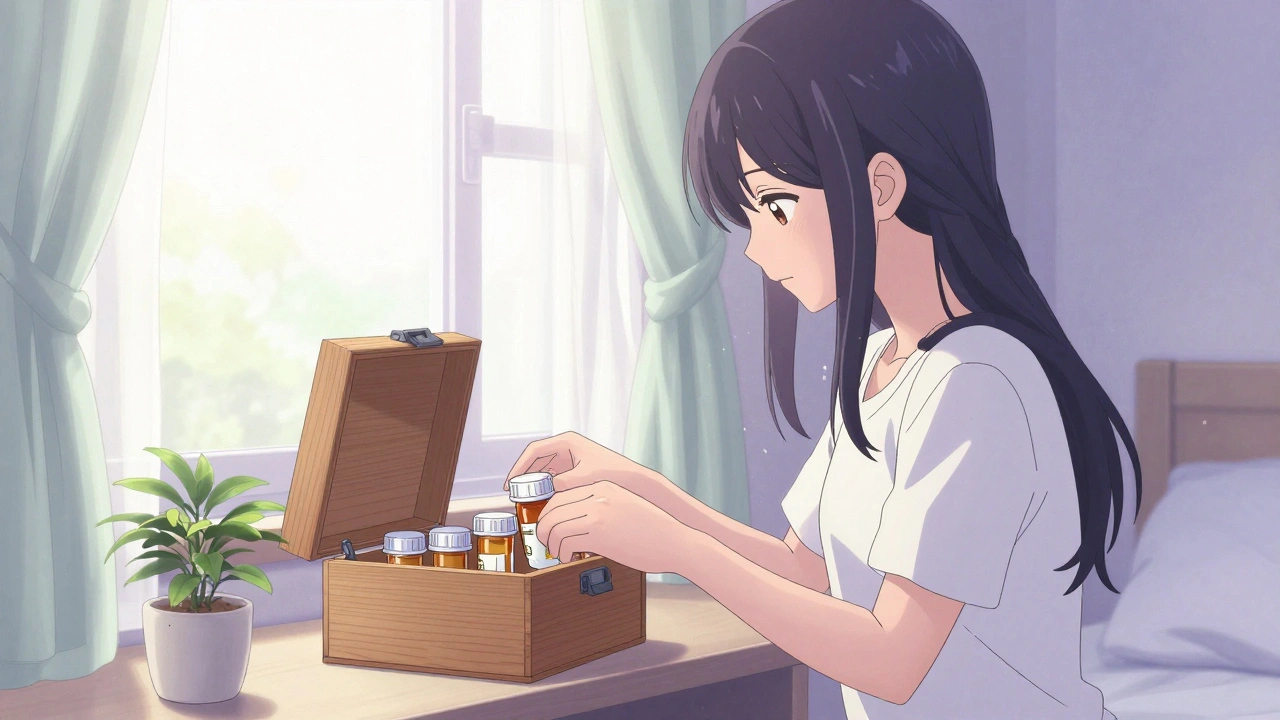
Medication storage, how you keep drugs at home to maintain their effectiveness and prevent access by children or pets matters more than you think. Heat, moisture, and light can break down pills before their expiration date. Storing insulin in the fridge? Good. Leaving it on the bathroom counter? That’s a problem. Same with fentanyl patches—heat from a heating pad or hot shower can cause dangerous overdose levels. And don’t assume your medicine cabinet is safe. The CDC says over 60% of teens who misuse prescription drugs get them from family members’ medicine cabinets. Use a locked box or high shelf, and keep everything in original containers with labels intact.
Pill organizer, a tool designed to sort daily or weekly doses to reduce confusion and missed doses isn’t just for seniors. If you take more than three meds a day, or if your schedule changes often, a pill organizer cuts down on errors. But here’s the catch: don’t use it for meds that need special conditions—like insulin or nitroglycerin—and never leave it where kids can reach it. Pair it with a written list of all your meds, including doses and why you take them. That list is your best defense if you end up in the ER.
And then there’s drug disposal, the safe way to get rid of unused or expired medications to prevent harm and pollution. Flushing? Only if the label says so. Most drugs should go to a take-back program—pharmacies, hospitals, or police stations often have drop boxes. No program nearby? Mix pills with coffee grounds or cat litter, seal them in a container, and toss them in the trash. Never leave them in open bags or unmarked containers. The EPA estimates over 90% of Americans don’t dispose of meds correctly, and that’s how contaminated water and accidental poisonings start.
Proper medication handling isn’t about being perfect—it’s about being aware. It’s about knowing that your grandma’s blood pressure pill could kill a child. That your old antibiotics could lose potency and cause resistance. That your unused painkiller could end up in the hands of someone struggling with addiction. These aren’t abstract risks. They’re real, documented dangers that show up in hospital reports, news stories, and public health alerts every single year.
Below, you’ll find real-world guides on how to avoid common mistakes: how to track what you’re taking, how to spot unsafe mail-order deliveries, how caregivers can prevent deadly mix-ups, and why some meds need extra care in heat or humidity. These aren’t theory pieces—they’re practical checklists from people who’ve seen what happens when handling goes wrong. Whether you’re managing your own meds, helping a parent, or just trying to keep your family safe, this collection gives you the exact steps to follow—no jargon, no fluff, just what works.
Medication Storage and Disposal: How to Safely Handle Prescriptions at Home and Beyond
Learn how to safely store and dispose of prescription medications to protect your family, prevent misuse, and avoid contaminating water supplies. Simple steps for home and professional settings.
- Drug Information (75)
- Health and Wellness (60)
- Pharmacy Information (31)
- Medical Conditions (24)
- Supplements (5)
- Diabetes (4)
- Travel Health (3)
- Mental Health (3)
- Heart Health (2)
- Parenting (2)
-
How to Safely Buy Cheap Generic Celecoxib Online
24 Sep 2025 -
How to Manage Medication Storage in Shared Living Spaces
1 Jan 2026 -
Pharmacy Reimbursement Models: How Laws Shape Generic Drug Payments
16 Nov 2025 -
Prescription Label Layouts: Why Your Medication Bottle Looks Different
12 Mar 2026 -
The Long-Term Effects of Atorvastatin Use
26 Jul 2023
8.12.25
Alistair Mukondiwa
11