
Eye Inflammation: Causes, Treatments, and What You Need to Know
When your eye feels red, gritty, or swollen, you’re likely dealing with eye inflammation, a general term for swelling and irritation in any part of the eye, often caused by infection, allergy, or autoimmune response. Also known as ocular inflammation, it’s not a single disease—it’s a symptom that shows up in many forms, from simple pink eye to serious conditions like uveitis that can threaten your vision. Most people think of red, watery eyes as just allergies or tiredness, but persistent inflammation can signal something deeper—like an autoimmune disorder, a hidden infection, or even a reaction to medication.
Conjunctivitis, the most common type of eye inflammation, affects the clear membrane covering the white of the eye and inner eyelids. Also called pink eye, it can be viral, bacterial, or allergic—and each needs a different approach. Then there’s uveitis, inflammation deep inside the eye, near the iris or choroid, which can cause pain, light sensitivity, and blurred vision. It’s less common but far more dangerous, often linked to conditions like rheumatoid arthritis or Lyme disease. And let’s not forget dry eye, a chronic condition where your eyes don’t make enough tears or the tears evaporate too fast, leading to persistent irritation and inflammation. It’s not just discomfort—it’s a cycle: dryness causes inflammation, and inflammation makes dryness worse.
What’s surprising is how many medications and supplements can trigger or worsen eye inflammation. Antihistamines meant to help allergies can dry out your eyes. Long-term steroid use, even in nasal sprays, can raise pressure inside the eye. Some antibiotics and acne drugs have been tied to uveitis flare-ups. And if you’re using over-the-counter eye drops with decongestants daily, you might be causing rebound redness—a form of chemical inflammation that only gets worse the more you use it.
There’s no one-size-fits-all fix. Mild cases might clear up with cold compresses and artificial tears. Others need prescription anti-inflammatories, antibiotics, or even immunosuppressants. The key is knowing what you’re dealing with. Self-diagnosing red eyes as "just allergies" can delay treatment for something far more serious. If your vision changes, you feel pain, or symptoms last more than a few days, don’t wait. Get it checked.
The posts below cover everything from natural remedies that help soothe irritated eyes to how certain drugs can accidentally cause inflammation you didn’t expect. You’ll find real comparisons between treatments, stories from people who’ve dealt with chronic eye issues, and clear advice on when to skip the drugstore drops and see a doctor. Whether you’re managing dry eye, fighting recurrent conjunctivitis, or just trying to understand why your eyes won’t stop burning—this collection gives you the facts without the fluff.
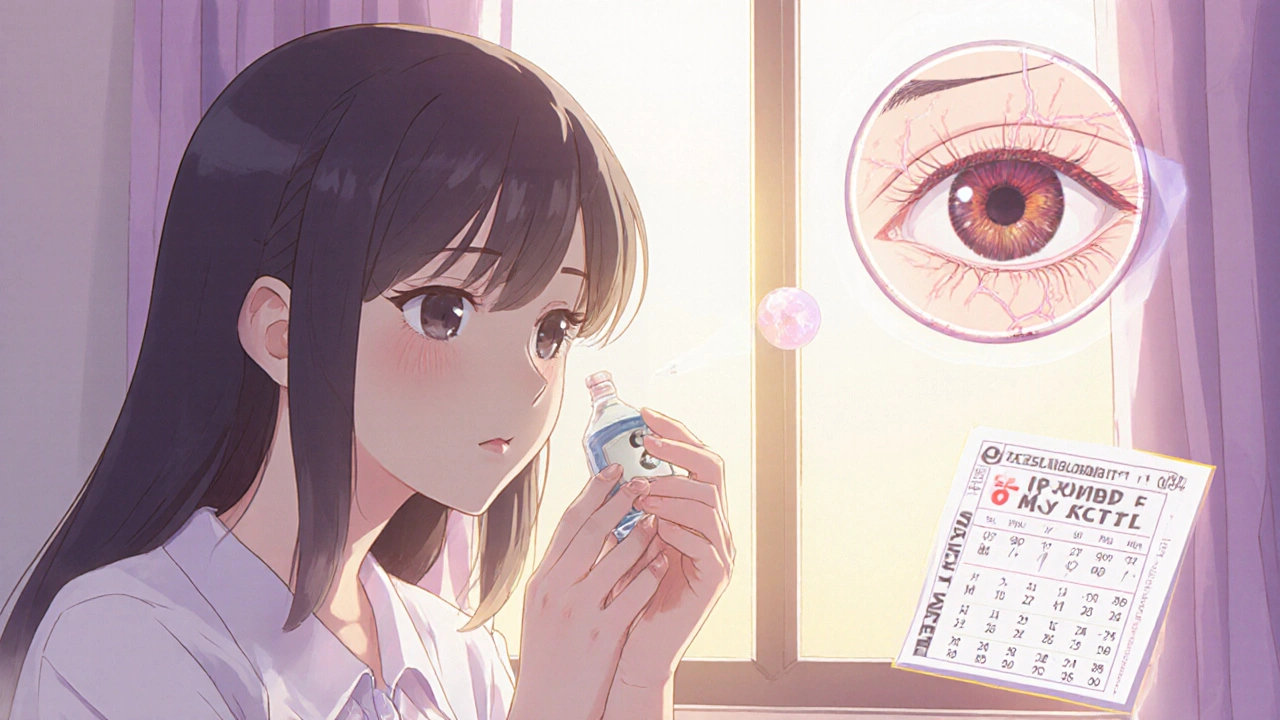
Steroid Eye Drops: Benefits, Risks, and How to Monitor Them Safely
Steroid eye drops reduce eye inflammation quickly but carry serious risks like glaucoma and cataracts. Learn how to use them safely, recognize warning signs, and why regular eye monitoring is non-negotiable.
- Drug Information (76)
- Health and Wellness (60)
- Pharmacy Information (33)
- Medical Conditions (24)
- Supplements (5)
- Diabetes (4)
- Travel Health (3)
- Mental Health (3)
- Heart Health (2)
- Parenting (2)
-
Understanding Pharyngeal Mucous Membranes and their Link to Post-Nasal Drip
15 May 2024 -
Nimotop vs. Alternative Calcium Channel Blockers: A Practical Comparison
28 Sep 2025 -
Azelaic Acid Benefits for Mature Skin: Anti‑Aging, Brightening & Gentle Care
19 Oct 2025 -
Delayed Medication Side Effects: Recognizing Late-Onset Adverse Reactions
18 Nov 2025 -
OTC Constipation Remedies: Fiber, Stool Softeners, and Laxatives Explained
17 Mar 2026
19.11.25
Alistair Mukondiwa
9