
Medication Temperature Safety Calculator
Many medications require strict temperature control to remain effective. Use this calculator to determine if your medication was exposed to unsafe conditions during shipping.
When you order your monthly insulin, blood pressure pills, or MS medication through the mail, you’re not just waiting for a package-you’re trusting your health to a complex system. One wrong temperature spike, one missed delivery window, one broken seal, and your medicine could become useless-or worse, dangerous. This isn’t science fiction. It’s happening right now, to real people, every day.
Why Temperature Matters More Than You Think
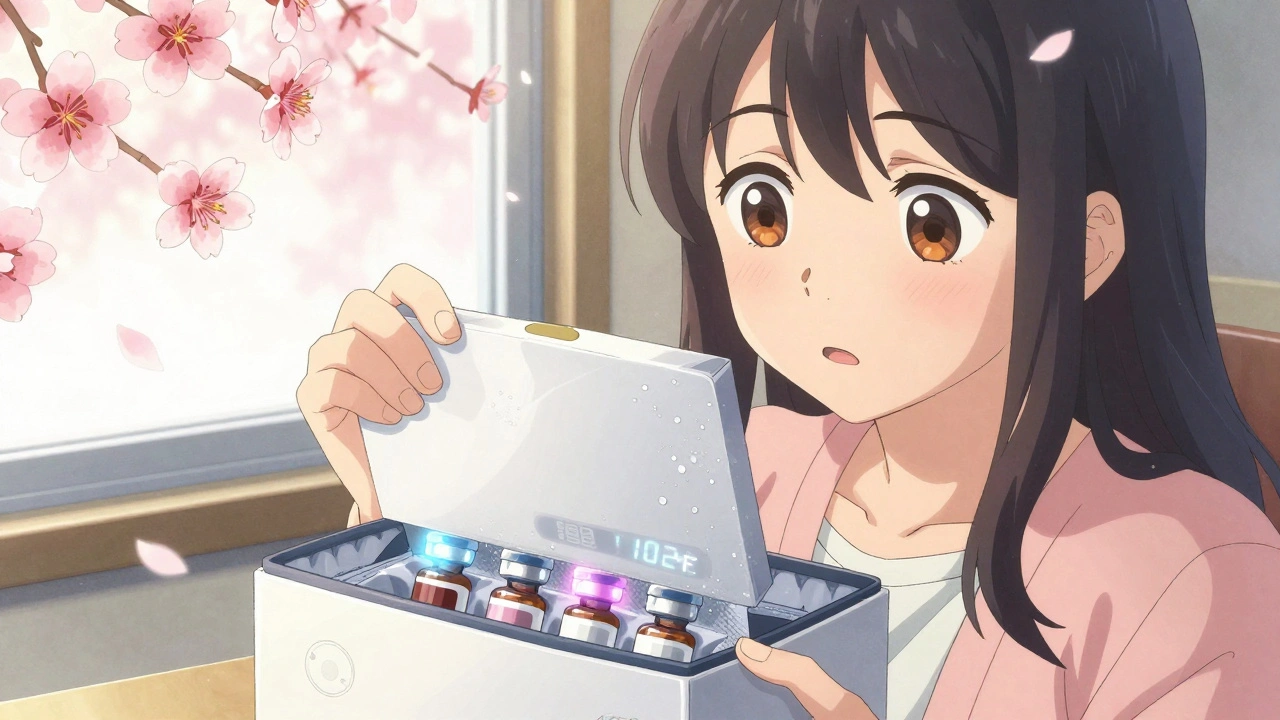
Not all pills are created equal. Some, like insulin, biologics, and certain antibiotics, are alive in a way. They’re made from proteins or living cells that break down if they get too hot or too cold. The FDA says these drugs must stay between 36°F and 46°F during shipping. That’s refrigerator temperature. Not room temperature. Not the back of a delivery truck sitting in 90°F heat. In 2023, industry data showed about 3.2% of temperature-sensitive shipments experienced dangerous excursions. That might sound small, but when you’re talking about thousands of insulin vials shipped every day, that’s hundreds of potentially useless doses. One Reddit user in Texas described opening a box to find her insulin vials warm to the touch after a summer delivery. She didn’t know until she checked the temperature log-provided by her pharmacy-that the package had been exposed to 102°F for over 12 hours. She threw it out. No risk. Reputable mail-order pharmacies use insulated shipping containers with gel packs or phase-change materials that hold temperature for 48-72 hours. Some now embed real-time sensors that send alerts if the package goes out of range. If your pharmacy doesn’t tell you how they protect temperature-sensitive drugs, ask. If they can’t answer, it’s a red flag.Timing Isn’t Just About Convenience-It’s About Survival
Missing a dose of your heart medication or seizure drug isn’t an inconvenience. It’s a medical emergency waiting to happen. That’s why experts say you should order refills at least two weeks before you run out. Why so far ahead? Mail-order pharmacies don’t ship on demand. They process orders in batches, verify insurance, check for interactions, and schedule deliveries around carrier routes. If you wait until your last pill is gone, you’re gambling with your health. GoodRx tracked cases where patients ran out of life-saving medications because they waited too long-and the delivery got stuck in a snowstorm, a warehouse delay, or a missed address. Medicare Part D plans now require pharmacies to confirm with patients or caregivers before shipping new prescriptions or refills. That’s a safety net. But it only works if you answer your phone or check your email. Set reminders. Turn on notifications. Don’t assume the pharmacy will call you. They’re busy. You’re the one who needs the medicine.Tracking: The Invisible Safety Net
You wouldn’t send a $500 laptop through the mail without tracking. Why would you send $300 worth of life-sustaining medication? Every legitimate mail-order pharmacy should offer real-time tracking. Not just “your package is out for delivery.” But actual location updates, delivery confirmation, and proof of who signed for it. The DEA requires this for controlled substances. But even for non-controlled meds, tracking matters. Pitney Bowes data shows that 0.7% of mail-order packages are stolen after delivery-often from porches or mailboxes. That’s not a lot. But for someone on opioids or ADHD meds, even one stolen bottle is one too many. Some pharmacies now use tamper-evident packaging with seals that break if opened. Others use blockchain-based tracking (required for controlled substances by January 2026). The point isn’t the tech-it’s the assurance. If you can’t see where your package is, you can’t protect it. And if you can’t protect it, you can’t trust it.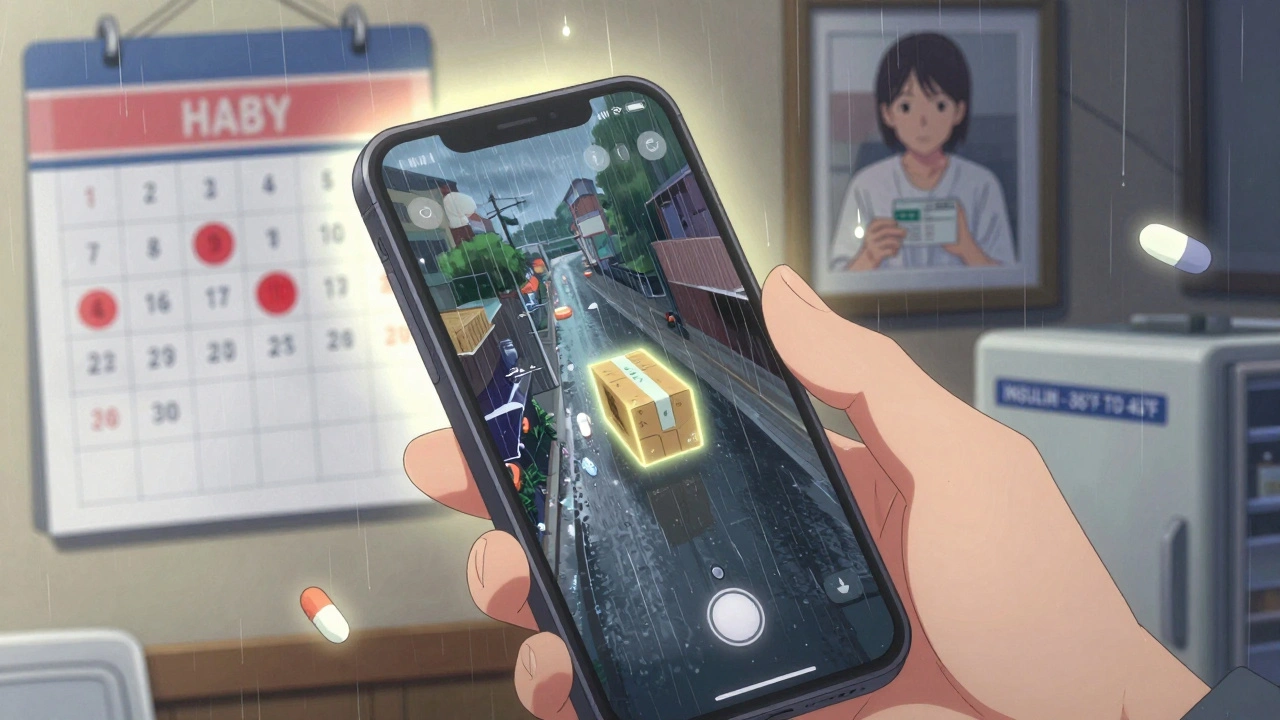
What Makes a Mail-Order Pharmacy Safe?
Not every online pharmacy is legit. The FDA warns that fake websites sell counterfeit, expired, or contaminated drugs. How do you tell the difference?- They require a prescription. No exceptions. If they sell pills without one, walk away.
- They have a physical U.S. address and phone number. Look it up. Call them. If they don’t answer, or the address is a PO box with no staff, it’s a scam.
- They’re licensed in your state. Every state has its own rules. Check your state pharmacy board’s website to verify their license.
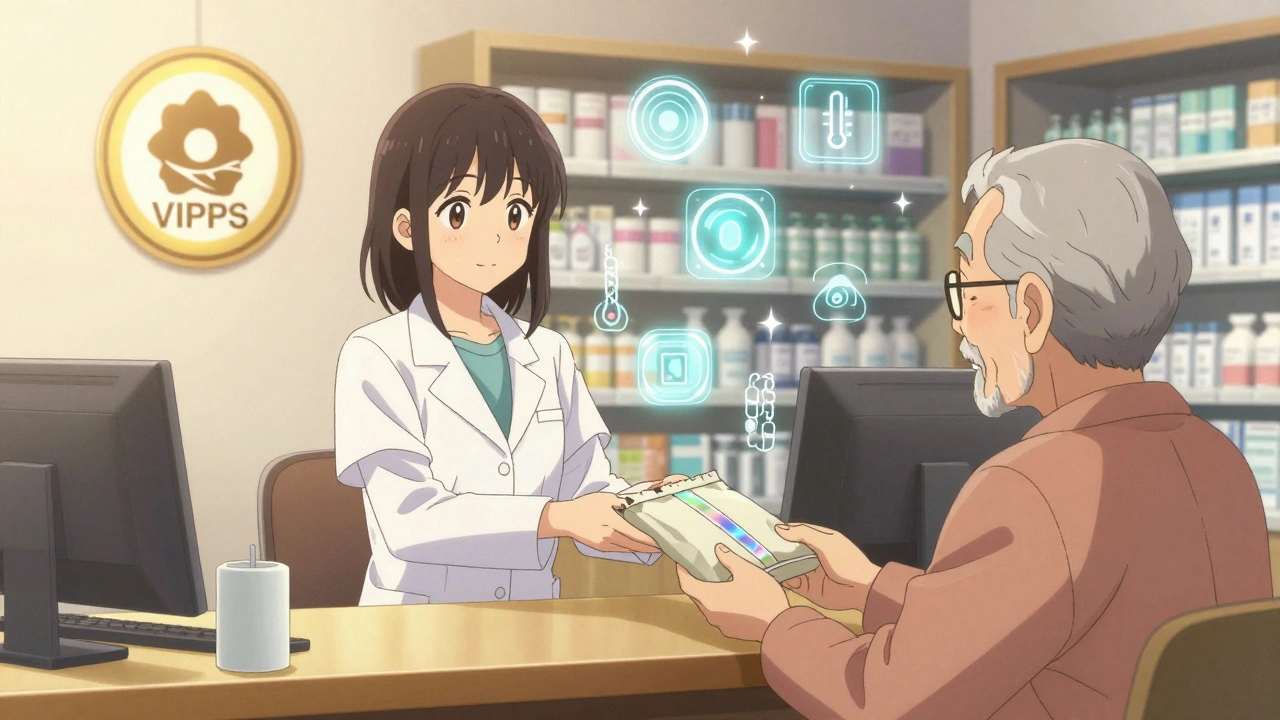
- They’re NABP-accredited. The National Association of Boards of Pharmacy (NABP) gives its Verified Internet Pharmacy Practice Sites (VIPPS) seal to pharmacies that meet strict safety standards. Look for the VIPPS logo.
- They use secure, encrypted systems. Your medical data should never be sent over unsecured email or websites.
What Goes Wrong-and How to Spot It
Even the best systems fail. Here’s what to watch for:- Medication arrives warm, melted, or discolored. Throw it out. Don’t take it. Call your pharmacy immediately.
- No tracking information. If you can’t track your package, ask why. If they can’t give you a tracking number, that’s a problem.
- Delivery confirmation says “left at door” but no one was home. That’s a theft risk. Ask if you can schedule delivery to a secure location or require a signature.
- You get the wrong drug or wrong dose. Always check the label against your prescription before taking anything. Even one pill can be dangerous.
- Communication gaps. 31% of dissatisfied users report being left in the dark about delays or changes. If you’re not getting updates, ask for a direct contact at the pharmacy.
What You Can Do Right Now
You don’t have to wait for a problem to happen. Here’s your action plan:- Know your meds. Which ones need refrigeration? Insulin, Humira, Enbrel, Tysabri, and many biologics do. Keep a list.
- Set refill reminders. Schedule alerts for 14 days before you run out. Use your phone, calendar, or pharmacy app.
- Check tracking daily. Don’t wait for a delivery notice. Log in to your pharmacy portal. See where your package is.
- Inspect every package. When it arrives, check the temperature log if available. Feel the box. Is it cold? Is the seal broken? Take a photo if something looks off.
- Know your rights. If your medication arrives damaged or delayed, you’re entitled to a replacement or refund. Don’t accept silence.
The Future Is Already Here
The next wave of mail-order safety is already being built. IoT-enabled packaging with real-time temperature and location sensors is being tested. AI predicts delays before they happen. Blockchain ensures every step of the chain is recorded and unchangeable. By 2026, all pharmacies shipping controlled substances must use blockchain tracking. That’s not just tech-it’s accountability. It means if a vial of oxycodone goes missing, you can trace exactly where it was handled, who touched it, and when. For patients with chronic conditions, this isn’t about convenience. It’s about survival. Mail-order pharmacies serve 38% of rural patients and 45% of Medicare Part D users. They’re not going away. But their safety standards must keep up. If your pharmacy isn’t using real-time tracking, isn’t guaranteeing temperature control, or won’t answer your questions about delivery-switch. Your health isn’t a package to be shipped. It’s a lifeline. Treat it that way.Can mail-order pharmacies ship insulin safely?
Yes, but only if they use proper cold-chain packaging with insulated containers and temperature-controlled gel packs. Reputable mail-order pharmacies like Express Scripts and OptumRx embed real-time sensors to monitor insulin during transit. If your pharmacy can’t show you how they maintain 36°F-46°F during shipping, don’t trust them with your insulin.
How early should I order my refills?
Order at least two weeks before you run out. Mail-order pharmacies process orders in batches, and delays can happen due to weather, carrier issues, or insurance verification. Waiting until your last pill is gone puts you at risk of dangerous gaps in treatment.
What should I do if my medication arrives warm?
Do not take it. Take a photo of the package and the medication inside. Call your pharmacy immediately and ask for a replacement. Most reputable pharmacies will replace damaged medication at no cost. Keep the original package and any temperature logs-they may be needed for insurance or regulatory reports.
Are mail-order pharmacies more dangerous than retail pharmacies?
No-when they’re legitimate. Studies show mail-order pharmacies have fewer dispensing errors than retail pharmacies. But they introduce new risks: temperature excursions, package theft, and delivery delays. The key is choosing a licensed, accredited pharmacy with strong tracking and temperature controls. Avoid unknown online pharmacies.
How do I know if my mail-order pharmacy is legitimate?
Check for these signs: they require a valid prescription, have a U.S. physical address and phone number, are licensed in your state, and display the VIPPS seal from the National Association of Boards of Pharmacy. Avoid pharmacies that sell drugs without a prescription or only have a PO box. Use the FDA’s online pharmacy checklist to verify legitimacy.
Can I track my mail-order medication like a package from Amazon?
Yes, and you should. Reputable mail-order pharmacies provide real-time tracking through email, text, or online portals. You should be able to see the package’s location, delivery status, and proof of signature. If your pharmacy doesn’t offer this, ask why. If they can’t explain it, consider switching to a provider that does.
What’s the difference between mail-order and home delivery?
Mail-order typically means you order through a pharmacy that ships directly to your home, often for 90-day supplies. Home delivery can refer to the same thing, but sometimes means a local pharmacy delivers your prescription locally. Mail-order is usually cheaper and better for maintenance meds. Home delivery may be faster for urgent needs but doesn’t offer the same cost savings or automation.
Just got my Humira shipment yesterday and the box was warm as hell. No temp log included. Called the pharmacy and they said 'it's fine, insulin's the only thing that matters.' Bro, I'm on biologics too. This isn't a suggestion, it's a fucking safety protocol. They don't train their shippers right.
It's worth noting that the 3.2% excursion rate cited is statistically insignificant only if you assume a Gaussian distribution of temperature anomalies across a homogeneous population of pharmaceutical logistics providers. In reality, the skew is enormous-most failures cluster in regional distribution hubs with inadequate cold-chain infrastructure, particularly in the Southeast and Southwest during peak summer months. The FDA's 36–46°F range is a theoretical ideal, not a practical guarantee. What we need is real-time telemetry embedded at the vial level, not just the shipping container. Until then, we're all just rolling the dice with our biologics.
bro i just order my metformin from some site that looked legit and it came in 3 days 🤷♂️ no box no ice just plastic bag but pills look fine 😅 maybe chill out a bit? life is short
If you're on insulin or any biologic, you owe it to yourself to demand transparency. Every single pharmacy that handles your medication should be able to provide a temperature log upon request-not as a bonus, but as a standard. If they hesitate, switch. Your life isn't a cost center. Don't let convenience override safety. I've seen too many people downplay this until it's too late. You're not being paranoid-you're being responsible.
why do people make this so hard? just get your meds from cvs. they dont let packages sit in the sun. if its hot out they hold it. its not that complicated. stop overthinking it.
temperatures? tracking? lol. just take the pills. they work. i dont care.
For anyone reading this and thinking 'it won't happen to me'-I was that person. My dad missed his heart med because the delivery guy left it on the porch in 100-degree heat. He ended up in the ER. The pharmacy said 'sorry, no refund.' We had to pay out of pocket for a replacement. Don't wait for a crisis. Set reminders. Check the tracking. Call if it's late. You're not being annoying-you're protecting your life. And if your pharmacy treats you like a bother? Find a better one. You deserve better.
The entire mail-order infrastructure is a grotesque parody of efficiency-sleek branding, hollow promises, and a logistical backbone held together by duct tape and Medicare reimbursement codes. We've outsourced our survival to corporate logistics drones who treat life-sustaining biologics like Amazon Prime socks. The blockchain mandate? A PR stunt. Real accountability requires liability, not ledger entries. Until pharmacies are financially liable for temperature excursions that cause hospitalizations, nothing will change. And yes, I'm still waiting for that apology from OptumRx.
It's fascinating how we've anthropomorphized pharmaceuticals-'they're alive,' we say. But the real tragedy isn't the protein denaturation-it's the epistemic collapse of trust. We've surrendered agency to faceless entities who speak in compliance jargon while the cold chain frays like a threadbare sweater in a hurricane. The IoT sensors? Poetic. But they're not a solution-they're a consolation prize for a system that refuses to be held accountable. 🤷♂️💊
Big pharma and mail-order giants have the tech to make this flawless-real-time temp sensors, AI delay prediction, blockchain audit trails. So why aren't they doing it? Because the cost of replacing a $300 vial is cheaper than upgrading their entire logistics network. They count on you not knowing. Don't let them. Ask for the temp log. Demand tracking. If they don't give it, switch. We're not patients-we're consumers with rights. And if you're not pushing back, you're part of the problem.