

SGLT2 Inhibitor Infection Risk Calculator
This calculator estimates your risk of developing genital infections while taking SGLT2 inhibitors based on your hydration habits and hygiene practices. Simple daily habits can reduce your risk by more than half.
When you start taking an SGLT2 inhibitor for type 2 diabetes, you’re not just getting better blood sugar control-you’re gaining real protection for your heart and kidneys. But there’s a side effect that catches many people off guard: genital infections. It’s not rare. About 1 in 8 women and 1 in 20 men on these drugs will get one. The good news? You can cut that risk by more than half with simple, everyday habits.
Why SGLT2 Inhibitors Cause Genital Infections
SGLT2 inhibitors like Farxiga, Jardiance, and Invokana work by making your kidneys flush out extra sugar through urine. That’s how they lower blood glucose. But that same sugar doesn’t just disappear-it stays in your urine, creating a sweet, moist environment where yeast (usually Candida) thrives. It’s not about being unclean. It’s about biology. The sugar feeds the fungus. Warmth and dampness make it worse.Studies show these infections are 3 times more common with SGLT2 inhibitors than with other diabetes pills like metformin or DPP-4 inhibitors. Women are more likely to get them than men, partly because of anatomy. But men, especially those who aren’t circumcised, are also at risk. The higher the dose, the higher the risk. Canagliflozin at 300 mg has a 12% infection rate in women; dapagliflozin at 10 mg is closer to 8%.
While most cases are mild-itching, redness, discharge-they’re annoying. And in rare cases (about 2 in 10,000 people), they can turn into something serious like Fournier’s gangrene, a life-threatening infection of the genital area. That’s why prevention isn’t optional-it’s essential.
Hygiene: The Most Powerful Tool
The single most effective way to prevent these infections is simple: rinse your genital area with water after you pee and before you go to bed. Not soap. Not wipes. Just clean water.Why water? Because soap-even mild ones-can irritate sensitive skin. Alcohol-based cleaners? Avoid them. They dry out the area and make it more prone to cracks and irritation, which lets yeast in deeper. Water rinses away the sugar without disturbing your natural skin balance.
For women: Always wipe front to back after using the toilet. Never go backward. This prevents bacteria from your rectum from reaching your urethra or vagina. After peeing, sit on the toilet for a few seconds and gently rinse with water. Pat dry with a clean towel. Don’t rub.
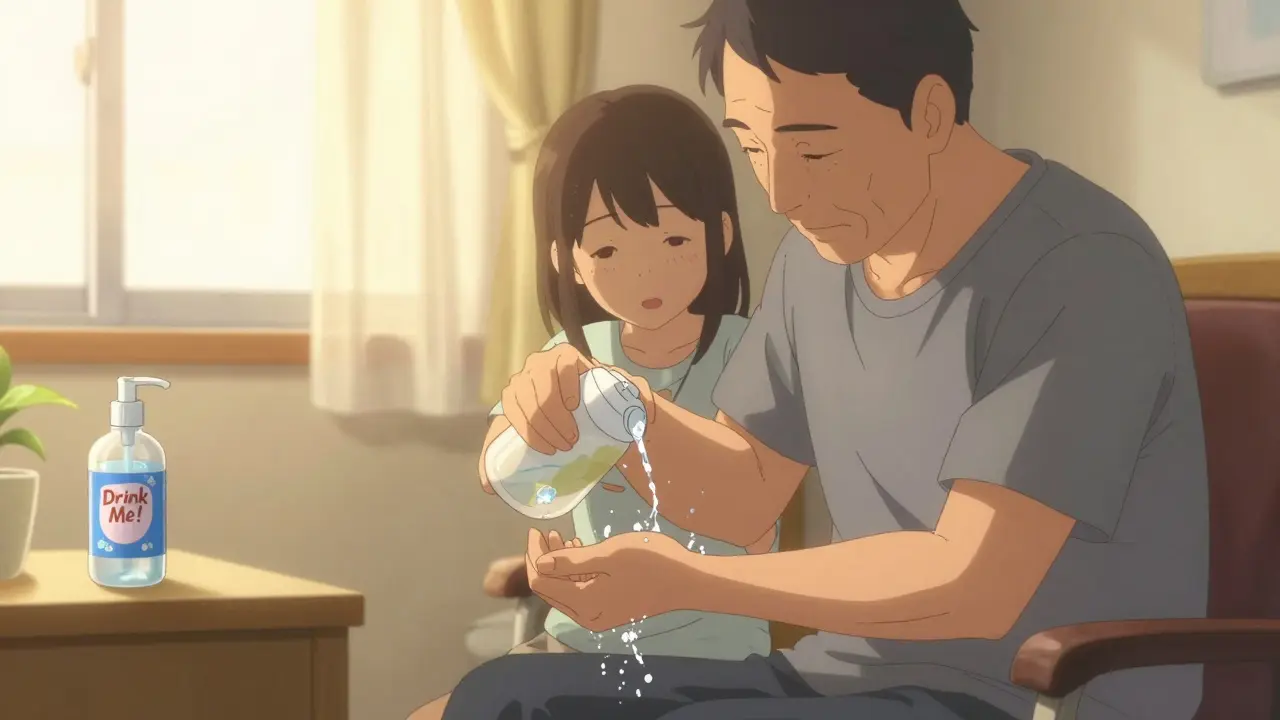
For men: If you’re uncircumcised, gently pull back the foreskin and rinse underneath every time you pee. Let it air-dry or pat gently. Don’t force it. If you can’t reach or have trouble with mobility, ask a partner or caregiver for help. Occupational therapists have shown that with proper guidance, older adults improve their technique by 75%.
Studies that tracked patients who did this routine saw a 40% drop in infections within six months. One group that stuck to it 100% for 18 months had zero infections. It’s not magic-it’s consistency.
Hydration: Dilute the Sugar, Reduce the Risk
Drinking enough water doesn’t just help your kidneys. It helps your genitals too.When you’re dehydrated, your urine is more concentrated. That means more sugar per drop. When you drink enough water-about 2 to 3 liters a day for most adults-you dilute that sugar. Less sugar in your urine means less food for yeast. It’s not a cure, but it’s a powerful helper.
Try this: Keep a water bottle nearby. Drink one glass right after you take your SGLT2 pill. Drink another before bed. Don’t wait until you’re thirsty. Thirst means you’re already behind. If you’re active, live in a hot climate like Sydney, or sweat a lot, drink even more.
There’s no magic number, but if your urine is pale yellow or clear, you’re doing well. Dark yellow? You need more water.
Timing: When You Clean Matters More Than How Often
It’s not about washing five times a day. It’s about washing at the right times.Two moments matter most: right after you pee, and right before you sleep.
After peeing: Sugar is fresh in your urine. The sooner you rinse it away, the less time yeast has to settle in. Waiting an hour or two? That’s plenty of time for a fungal colony to start growing.
Before bed: Your body slows down overnight. Sweat, moisture, and warmth build up. Rinsing before sleep removes the day’s buildup and gives your skin a clean start. This is especially important if you wear tight pajamas or sleep without underwear.
Don’t overdo it. Washing more than twice a day can irritate your skin. The goal isn’t to scrub-it’s to rinse and remove.
What to Wear and Avoid
Clothing plays a bigger role than you think.Wear cotton underwear. It breathes. It wicks moisture. Avoid synthetic fabrics like polyester or nylon-they trap heat and sweat. Tight jeans, leggings, or thongs? Skip them, especially if you’re prone to infections. Go for loose-fitting pants and skirts when you can.
Change your underwear daily. If you sweat a lot, change midday. Don’t reuse damp underwear. Even if it looks clean, moisture is still there.
After swimming, exercising, or sweating, change out of wet clothes as soon as possible. Wet fabric = yeast party.
What to Do If You Get an Infection
If you notice itching, burning, redness, or unusual discharge, don’t wait. See your doctor or pharmacist. Most cases are mild and respond to over-the-counter antifungal creams like clotrimazole or miconazole. Oral fluconazole (one pill) often clears it up in a day or two.Don’t ignore it. Left untreated, it can get worse. And if you develop fever, swelling, or severe pain in the genital or thigh area-go to the ER immediately. That could be Fournier’s gangrene, and it needs urgent surgery.
Most people recover fully. In fact, 85% of cases are mild and resolve in 3 to 5 days with treatment. But if you get recurrent infections, talk to your doctor. You might need to switch medications. People with a history of frequent yeast infections have a 5.7 times higher risk on SGLT2 inhibitors.
Why These Drugs Are Still Worth It
Yes, the infections are real. But the benefits are too.SGLT2 inhibitors don’t just lower blood sugar. They reduce your risk of heart failure hospitalizations by up to 38%. They slow kidney disease progression by 30%. They help you lose 2-3 kg of body weight and lower blood pressure by 3-5 mmHg. That’s why the American Diabetes Association now recommends them as first-line treatment for people with heart or kidney disease.
Over 15 million Americans are on these drugs. Global sales hit $11.2 billion in 2022. That’s not because they’re trendy-it’s because they save lives.
The key is not to avoid them. It’s to use them safely.

Real People, Real Results
One woman in her 60s from Melbourne started on dapagliflozin and got three infections in six months. She felt frustrated. Then she started rinsing after every pee and before bed. She kept a water bottle on her nightstand. She switched to cotton underwear. Within two months, she was infection-free. She’s been on the drug for over a year now with no issues.A man in his 50s with limited mobility couldn’t reach his genital area. His daughter helped him learn the right technique. They set a phone reminder: “Rinse after pee.” He now has a clean bill of health-and no more embarrassment.
These aren’t rare stories. They’re the norm when people get the right advice.
What Your Doctor Should Tell You
When you start an SGLT2 inhibitor, your doctor should spend 5 to 7 minutes explaining how to prevent infections. They should give you written instructions. They should ask if you need help with hygiene because of age, mobility, or disability.If they don’t, ask. Say: “I’ve heard about genital infections with this drug. Can you walk me through how to prevent them?”
Most clinics now use follow-up calls at 2 and 4 weeks after starting the drug. That’s when most infections happen. If your clinic doesn’t do this, ask if they can. It makes a difference.
Remember: This isn’t your fault. It’s a side effect of a drug that’s working exactly as designed. You’re not dirty. You’re not failing. You’re just managing a known risk-and you can manage it well.
Final Checklist
- ✅ Rinse genital area with water after every pee
- ✅ Rinse again before bed
- ✅ Drink 2-3 liters of water daily
- ✅ Wear cotton underwear, avoid tight clothes
- ✅ Change out of wet clothes right away
- ✅ Use only water or mild soap-no alcohol wipes
- ✅ For men: Pull back foreskin and rinse underneath
- ✅ For women: Always wipe front to back
- ✅ See your doctor if symptoms appear-don’t wait
These steps take less than a minute each day. But they can keep you infection-free while you get the heart and kidney protection you need.