
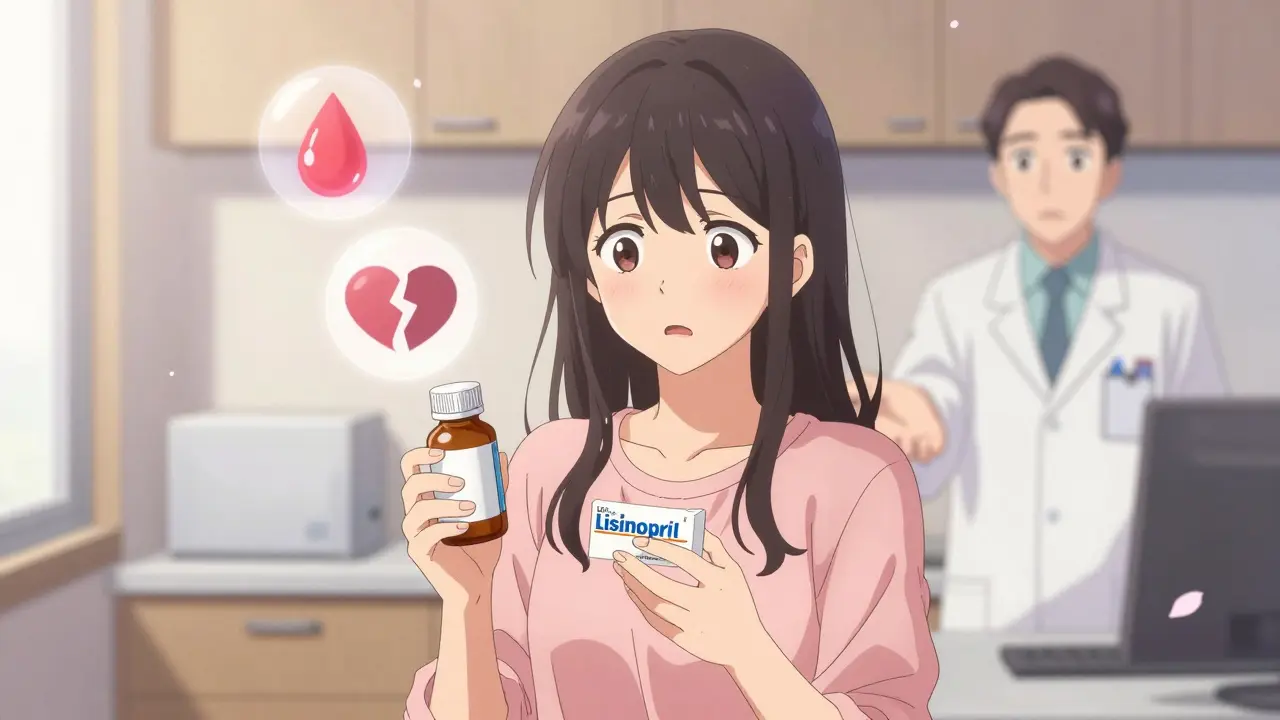
Every year, tens of thousands of people end up in the hospital-not because their heart condition got worse, but because they took two medications that shouldn’t have been taken together. It’s not rare. It’s not unusual. It’s happening right now to someone you know. And the worst part? Many of these dangerous combinations are easy to avoid-if you know what to look for.
Heart medications save lives. But when they’re mixed without care, they can turn deadly. A 2023 study from the USC Schaeffer Center found that older adults taking just two medications with cardiovascular side effects had a 104% higher risk of heart attack, stroke, or death. With three or more, that risk jumped to 218%. These aren’t hypothetical numbers. These are real people-people who took ibuprofen for a headache, or a supplement for sleep, or an over-the-counter cold pill-and didn’t realize they were putting their heart at risk.
Seven Deadliest Heart Medication Combinations
Not all drug interactions are created equal. Some are mild. Others are immediate threats. Here are the seven most dangerous combinations backed by clinical data and real-world outcomes:
- Warfarin and ibuprofen: Warfarin thins your blood to prevent clots. Ibuprofen irritates your stomach lining. Together, they raise your risk of a gastrointestinal bleed by 300%. One 2021 study found that 1 in 5 patients on this combo had bleeding so severe they needed a blood transfusion.
- Warfarin and acetaminophen: Even though acetaminophen is often called "safe," chronic use (more than a few days a week) can spike your INR by 2 to 3 points. That’s like turning your blood thinner from medium to maximum without warning.
- PDE-5 inhibitors (like Viagra) and nitrates: If you’re on nitroglycerin for chest pain, never take sildenafil, tadalafil, or vardenafil. The drop in blood pressure can be so sudden and severe that your heart can’t pump enough blood. Systolic pressure can plunge below 70 mmHg-enough to cause cardiac arrest.
- Statins and amiodarone: Amiodarone is used for irregular heart rhythms. Statins lower cholesterol. Together, they can cause muscle breakdown (rhabdomyolysis) at rates 400-500% higher than either drug alone. One patient in Sydney reported muscle pain so intense they couldn’t walk after just three weeks on this combo.
- ACE inhibitors and potassium supplements: ACE inhibitors help relax blood vessels. They also cause your body to hold onto potassium. Add a potassium pill or salt substitute, and your levels can spike past 5.5 mEq/L. At that point, your heart can stop beating. A 2021 JACC study found 18.7% of patients on this combo had dangerous hyperkalemia-compared to just 4.2% who didn’t.
- Digoxin and verapamil: Verapamil slows your heart rate. Digoxin does too. But when taken together, digoxin builds up in your blood by 60-75%. That’s enough to cause nausea, confusion, vision changes, and fatal arrhythmias. This combo is so risky, many hospitals now avoid prescribing them together entirely.
- NSAIDs and blood pressure meds: Diclofenac, naproxen, and even daily ibuprofen can make your blood pressure meds-like lisinopril or losartan-less effective. They also reduce kidney function by 25-30%. One patient in Melbourne was hospitalized for acute kidney injury after taking ibuprofen daily for arthritis while on lisinopril. He didn’t know the two could interact.
Why Over-the-Counter Drugs Are the Biggest Risk
You wouldn’t think a simple painkiller could be dangerous. But NSAIDs are the most common culprits. Over 70 million NSAID prescriptions are written every year in the U.S. alone. And nearly half of heart patients don’t realize they’re interacting with their heart meds.
On WebMD’s Heart Failure Support Group, 62% of users said their doctor never warned them about NSAIDs. On Reddit’s r/HeartFailure, 34% of 1,245 respondents blamed NSAIDs for hospitalizations. One woman wrote: "I took Advil for my back pain. Two days later, I was in the ER with swelling, shortness of breath, and a potassium level of 6.1. My doctor said it was from the ibuprofen and my lisinopril. I had no idea."
Even "natural" supplements can be dangerous. St. John’s wort, turmeric, garlic, and ginkgo biloba all interfere with blood thinners and heart rhythm drugs. A 2022 survey by the American Heart Association found that 41% of heart medication users had taken at least one dangerous combination in the past year-and most didn’t tell their doctor about it.
What You Can Do Right Now
Preventing these interactions isn’t about memorizing a long list. It’s about building simple, repeatable habits.
- Keep a live medication list. Not a mental list. Not a note in your phone. Write it down. Include every pill, patch, liquid, and supplement. Write the exact name and dose: "Lisinopril 10 mg once daily," not "blood pressure pill." Update it every time you get a new prescription or stop one.
- Use one pharmacy. Pharmacists are trained to catch interactions. If you use multiple pharmacies, they can’t see what you’re taking elsewhere. One pharmacy means one full record.
- Ask about every new medication. Don’t just ask, "What are the side effects?" Ask, "What else could this interact with?" Specifically mention your heart meds: "I’m on warfarin and metoprolol. Could this new drug cause problems?"
- Review with your pharmacist monthly. Since 2022, Medicare Part D covers a 20-30 minute Medication Therapy Management (MTM) session at no cost. Use it. Ask them to check your list against the Beers Criteria-the official list of risky combinations for people over 65.
- Never self-prescribe NSAIDs. If you have heart disease, high blood pressure, or take blood thinners, treat pain with acetaminophen (Tylenol) instead. And even then, don’t take more than 3,000 mg a day.
What’s Changing for the Better
There’s hope. Systems are getting smarter.
Electronic health records now flag dangerous combinations with 85-92% accuracy. The FDA has added black box warnings to 27 heart drugs, including NSAIDs, for patients on anticoagulants. Medicare now penalizes hospitals if patients are readmitted due to medication errors. And companies like AstraZeneca are launching fixed-dose "polypills" that combine proven heart drugs into one pill-reducing the chance of harmful interactions.
But technology can’t replace you. AI won’t ask you if you took ibuprofen last week. Your pharmacist won’t know about the turmeric capsule you started because "it helps inflammation." Only you can speak up.

What to Do If You’ve Already Taken a Dangerous Combo
If you’ve taken one of these risky combinations-especially if you feel dizzy, nauseous, have unusual bleeding, or your heart is racing or skipping beats-call your doctor or go to the ER. Don’t wait. Don’t hope it passes. Some interactions cause damage within hours.
Keep your medication list handy. Bring it with you. Tell them exactly what you took, when, and how often. That information could save your life.
Can I take ibuprofen with my blood pressure medication?
No, not if you’re on an ACE inhibitor, ARB, or diuretic. Ibuprofen and other NSAIDs reduce the effectiveness of these drugs and can cause sudden kidney injury or dangerous spikes in blood pressure. Even occasional use can be risky. Use acetaminophen (Tylenol) instead for pain relief, and never take more than 3,000 mg per day.
Is it safe to take fish oil with warfarin?
Fish oil can thin your blood slightly. While many people take it safely with warfarin, it can raise your INR over time, increasing bleeding risk. If you’re on warfarin, don’t start fish oil without checking your INR first. Your doctor may need to adjust your warfarin dose. Always tell your pharmacist you’re taking it.
Can I take St. John’s wort with my heart medication?
No. St. John’s wort speeds up how your liver breaks down many heart drugs, including digoxin, beta blockers, and some statins. This can make them less effective-putting you at risk for heart rhythm problems or clots. It can also dangerously increase levels of other drugs. Avoid it completely if you’re on heart medication.
Why do I need to tell my pharmacist about supplements?
Supplements aren’t regulated like drugs. They can contain hidden ingredients or interact in ways that aren’t obvious. Turmeric, garlic, ginger, and ginkgo can all affect blood thinning. Magnesium can lower blood pressure too much when combined with certain meds. Your pharmacist can spot these risks-especially if they have your full list.
What should I do if my doctor prescribes a new drug while I’m on heart meds?
Ask three questions: 1) What is this for? 2) What are the side effects? 3) Could this interact with any of my current heart medications? Bring your medication list. If they say "it’s fine," ask them to check with your pharmacist. If you’re over 65, ask if it’s on the Beers Criteria list of risky drugs.
Final Thought
Your heart doesn’t care if you took a pill because "it’s natural," or "it’s just one time," or "my friend takes it." It responds to chemistry. And some combinations are just too dangerous to risk.
The best defense isn’t a complicated chart or a high-tech app. It’s a written list, one pharmacy, and the courage to ask, "Could this hurt me?" before you swallow anything.
It’s wild how we treat our hearts like they’re disposable. I used to think if it was sold at CVS, it couldn’t hurt me. Then my mom had a GI bleed from ibuprofen and warfarin. She didn’t even know they were interacting. Now I keep a laminated list in my wallet. Simple. No apps. No tech. Just paper and honesty.
And yeah, supplements? Don’t get me started. Turmeric isn’t magic-it’s a blood thinner in disguise. If your ‘natural remedy’ has a label that says ‘may interact with anticoagulants,’ maybe don’t take it. Just sayin’.
Oh wow. Another fear-mongering article. You know what’s really dangerous? Letting Big Pharma scare you into believing every OTC pill is a death sentence. I’ve been on three heart meds for 12 years and take Advil weekly. Still breathing. Still working. Still not a statistic.
Meanwhile, the real crisis? Doctors who don’t listen. Pharmacies that overcharge. And people who panic over ‘studies’ instead of living their lives. Chill out. Your heart’s tougher than you think.
This hit me right in the feels 😔
I took garlic pills for ‘heart health’ for 6 months. Didn’t tell my doc. Then I got dizzy one morning and almost passed out. Turned out my INR was 7.2. My pharmacist said ‘you’re lucky you didn’t bleed out in your sleep.’
Now I have a little notebook. I write everything down. Even the ‘harmless’ stuff. I’m not scared-I’m just careful now. And I talk to my pharmacist like she’s my therapist. She knows my life. That’s peace of mind.
Thank you for writing this. I needed to see it.
so i just started taking blood pressure meds last month and i was about to buy some naproxen for my knee… but then i read this and paused
like… i had no idea. zero. i thought if it was over the counter it was fine. wow. i’m gonna go with tylenol now and only if i really need it
also i’m gonna start writing everything down. even the gummy vitamins. yikes.
thank you for this. seriously.
ps i told my mom too. she’s 71 and takes 7 pills. she’s gonna cry. in a good way.
Stop. Right now. If you’re on a beta-blocker, ACE inhibitor, or diuretic, and you’re taking NSAIDs regularly-you’re playing Russian roulette with your kidneys. The data isn’t ‘maybe.’ It’s ‘statistically inevitable.’
One pharmacy. One list. One conversation. Every month. That’s the entire playbook. No app. No genius. Just discipline.
And if your doctor says ‘it’s fine,’ ask them to look up the Beers Criteria. If they can’t, find a new one.
You’re not being paranoid. You’re being smart.
Interesting piece. I’m from the UK and we don’t have the same over-the-counter culture as the US. But I’ve seen patients on warfarin take ginger tea ‘for circulation’-no one warned them. The interaction is real.
My mum’s on digoxin. I made her stop her ‘heart-healthy’ smoothies with spinach and flaxseed. She was furious. Now she says she feels more stable. Small changes matter.
Thanks for the clarity.
OMG this is so important 😍 I’m so glad I’m American because we have access to pharmacists who actually care! 🇺🇸
My cousin in India just takes whatever her neighbor says is good for the heart. Like, she’s on lisinopril and drinking a turmeric latte every morning. I screamed. I cried. I sent her this article.
Why can’t other countries have this level of awareness? We’re #1 in heart care. And we should be proud. 🙌
Also, I told my entire book club. They’re all updating their lists now. Group effort! 💖
Wow. A 218% increased risk? That’s just a fancy way of saying ‘you’re gonna die.’
And yet… here we are. People still take Advil like it’s candy. ‘Oh, I just took one.’ One? ONE?! You’re not a human. You’re a walking clinical trial.
Meanwhile, I’ve been on three heart meds since 2018. I use one pharmacy. I have a binder. I’ve never missed an MTM session. I’m not special. I’m just not stupid.
Why are so many people okay with being a statistic? 🤔
Very useful information. I live in India and we don’t have strong regulation around supplements. Many people take herbal mixes with their heart pills. No one checks for interactions.
I showed this to my uncle. He’s on warfarin and takes ashwagandha daily. He didn’t know it could increase bleeding risk. He stopped it today.
Simple. Clear. Needed.
Thank you.
Thank you for presenting this information with such precision and care. The clinical data referenced is compelling, and the actionable steps outlined are both practical and evidence-based. The emphasis on medication reconciliation and pharmacist involvement aligns with best practices in geriatric pharmacotherapy. I encourage all patients to engage in Medication Therapy Management services under Medicare Part D-they are an underutilized resource of exceptional value.
Just… wow. I didn’t know. I didn’t know. I didn’t know.
I’ve been taking fish oil for 5 years. I didn’t tell anyone. I thought it was ‘safe.’ Now I’m scared. I’m calling my doctor tomorrow. I’m printing this. I’m showing my husband.
Thank you. Thank you. Thank you.
My heart is beating. And now I’m listening.
My aunt in Mumbai takes digoxin and a herbal tonic called Arjuna. She says it helps her heart. No one told her it might increase toxicity. I showed her this. She cried. She stopped it.
It’s not about fear. It’s about care. We need to talk more. Share more. Listen more.
This is the kind of post that saves lives. Not just in the US. Everywhere.
I’ve been on 4 heart meds since 2016. I take ibuprofen for my arthritis. I’m 68. I’m fine. Why are you scaring people? This is just fear porn. You’re making people paranoid. I’ve never been hospitalized. I’ve never had a bleed. I’m healthy. Stop this nonsense.
Also… why are you so obsessed with supplements? I take vitamin D. Is that dangerous too? What’s next? Water? Breathing?
Oh honey. You’re telling people to use one pharmacy? Like, what, are we in 1998? My pharmacist doesn’t even know my name. She calls me ‘honey’ and forgets I’m on warfarin every other Tuesday.
And the ‘live list’? Cute. I have a spreadsheet. I sync it to the cloud. I use QR codes. I have a smart pillbox that texts me. I’m not living in the analog dark ages.
Also, I take St. John’s wort. It works. My mood is better. My doctor? She’s clueless. She said ‘it’s fine.’ So I’m not gonna stop. Your ‘science’ is outdated.
Try harder.