

CNS Depressant Interaction Checker
Select the substances present in the system to see how they interact and affect the body's ability to breathe.
Mixing a few drinks with a prescription painkiller might seem like a small risk, but it creates what medical experts call a "perfect storm" in your body. When you combine alcohol and opioids, you aren't just adding two effects together-you're multiplying them. This combination is one of the most lethal drug interactions possible because both substances target the same part of your brain that tells you to breathe. The result is often a sudden, silent stop in respiration that can lead to permanent brain damage or death within minutes.
The Bottom Line: Why This Mix Is Lethal
- Synergistic Effect: They don't just add up; they amplify each other's power to sedate you.
- Respiratory Shutdown: Both drugs slow your breathing. Together, they can stop it entirely.
- Lowered Threshold: Alcohol makes your body more sensitive to opioids, meaning a "normal" dose can become a fatal one.
- High Fatality Rate: A huge percentage of opioid-related deaths involve alcohol as a co-factor.
The Science of the "Perfect Storm"
To understand why this is so dangerous, you have to look at how these substances hit your central nervous system (CNS). Alcohol is a CNS depressant. Opioids-whether they are prescription pills like oxycodone or illicit drugs like heroin-are also CNS depressants. When they hit your system at the same time, they trigger a synergistic effect on your respiratory drive.
Think of it like this: if one drug tells your lungs to slow down a bit, the second drug doesn't just slow them down more; it effectively turns the switch off. Research shows the numbers are startling. For example, a study in the Journal of Clinical Psychopharmacology found that 20mg of oxycodone alone reduced respiration by 28%. But when paired with alcohol (at a level just around the legal driving limit), respiration dropped by an additional 19%. This leads to "apneic episodes," which are essentially gaps where you stop breathing entirely.
Which Opioids Carry the Highest Risk?
Not all opioids are the same, but almost all of them are dangerous when mixed with booze. The highest risk usually comes from Schedule II opioids. These are the powerful ones often prescribed for severe pain but known for high addiction potential.
| Opioid Type | Examples | Risk Level | Key Concern |
|---|---|---|---|
| Synthetic Opioids | Fentanyl | Extreme | High potency; rapidly increases overdose risk. |
| Prescription Opioids | OxyContin, Vicodin | High | Often underestimated risk in medical settings. |
| Illicit Opioids | Heroin | High | Unpredictable purity adds to the danger. |
| Maintenance Drugs | Methadone | High | Users of methadone who drink have a 4.6x higher overdose risk. |
Fentanyl is particularly scary because it is so potent. Data from the Texas Department of State Health Services showed that alcohol co-involvement in fentanyl-related deaths nearly doubled between 2010 and 2019. Even drugs meant for addiction treatment, like buprenorphine, aren't a safety net; alcohol lowers the threshold for a fatal overdose even with these medications.

The Triple Threat: Adding Benzodiazepines
The danger spikes even further when a third player enters the mix: benzodiazepines (like Xanax or Valium). This creates a "triple threat." Benzodiazepines are also CNS depressants. When you have alcohol, an opioid, and a benzo in your system, your brain's ability to regulate breathing is almost entirely compromised.
This isn't just a theoretical risk. The National Institute on Drug Abuse (NIDA) noted that about 14% of opioid overdose deaths in 2021 also involved benzodiazepines. This combination is so lethal that the FDA issued a black-box warning-the most serious type of warning-telling doctors to avoid prescribing opioid cough medicines to anyone taking benzos or alcohol.
Spotting the Warning Signs
If you are with someone who has mixed these substances, you need to know the signs of a respiratory depression event. It doesn't always look like a dramatic collapse; sometimes it looks like a very deep sleep that you can't wake up from.
- Pinpoint Pupils: The pupils become tiny dots.
- Slow Breathing: Shallow breaths or long pauses between breaths.
- Blue Tint: Bluish skin or lips (cyanosis) due to lack of oxygen.
- Unresponsiveness: They won't wake up even if you shout or shake them.
- Gurgling: Choking or snoring-like sounds, often called the "death rattle."
How to Reduce the Risk and Save Lives
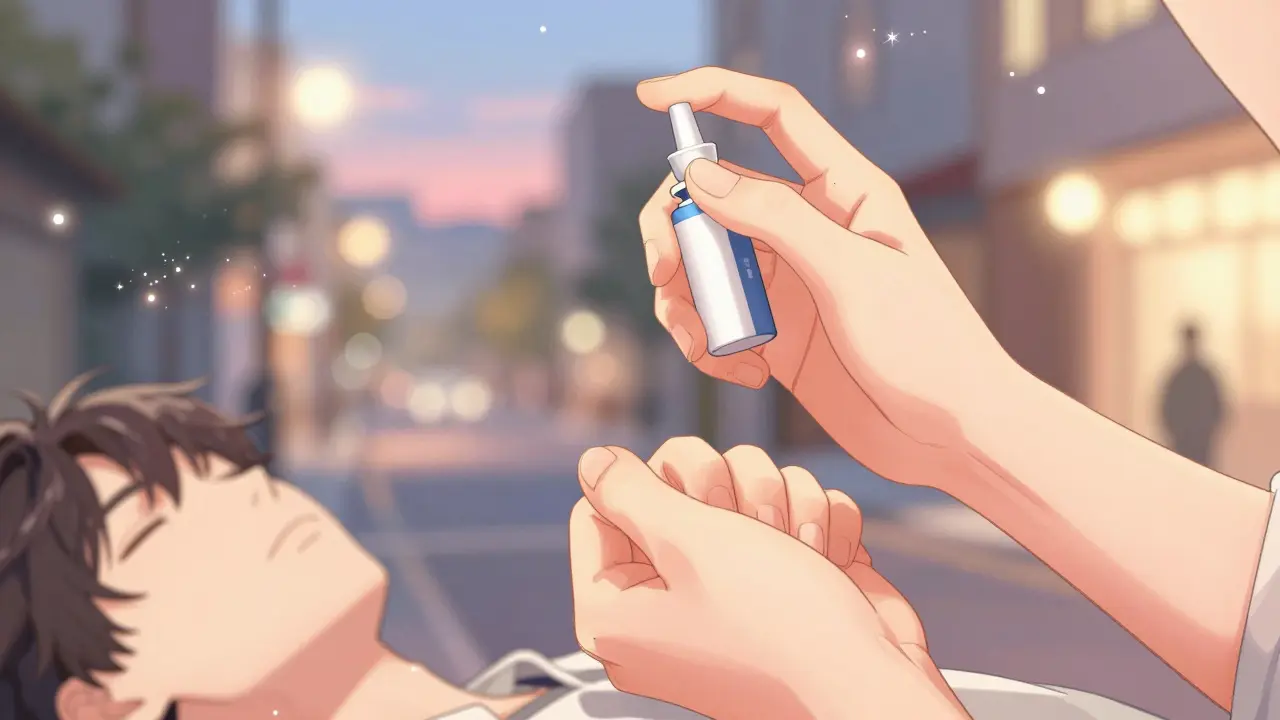
Since the risk of accidental overdose is so high with polysubstance use, harm reduction is the only way to prevent deaths. The most critical tool in this fight is Naloxone (Narcan). Naloxone is an opioid antagonist-it essentially knocks the opioids off the brain's receptors and forces the person to start breathing again.
Here is a practical safety checklist for anyone in a high-risk environment:
- Never use alone: If you stop breathing, you can't call 911. Have a sober buddy present.
- Carry Naloxone: Keep it within reach. In Massachusetts, about 23% of naloxone reversals in 2022 involved people who had also consumed alcohol.
- Start Low, Go Slow: If you are taking a prescribed opioid, avoid alcohol entirely. If you do drink, understand that your tolerance for the opioid drops significantly.
- Avoid "Stacking": Do not mix opioids with sleep aids, anxiety meds, or alcohol in the same window of time.
The Bigger Picture: A Growing Crisis
This isn't just an individual struggle; it's a massive public health crisis. The CDC reported that in 2022, over 107,000 overdose deaths in the U.S. involved polysubstance use, with alcohol being a primary partner. This is why organizations like SAMHSA have launched campaigns like "Don't Mix." They are trying to move the conversation from just "opioids are bad" to "mixing these specific things is what kills you."
Medical guidelines are also changing. The American Society of Addiction Medicine now urges doctors to screen for alcohol use disorder before even writing a prescription for an opioid. Why? Because people struggling with alcohol use have a 3.2 times higher risk of an opioid overdose. It's a cycle where one substance makes the other far more dangerous.
Does it matter if I drink a small amount of alcohol?
Yes, it matters. Risks begin at low doses of both substances. Even a small amount of alcohol can amplify the sedative effects of opioids, increasing the likelihood of respiratory depression and accidental overdose.
Can Naloxone reverse an overdose caused by alcohol?
Naloxone only works on opioids. It will not reverse the effects of alcohol or benzodiazepines. However, in a mixed overdose, Naloxone will reverse the opioid portion, which is often enough to restart breathing and save the person's life while the alcohol wears off.
Why is the combination more dangerous than taking either alone?
Both alcohol and opioids act as central nervous system depressants. When taken together, they have a synergistic effect, meaning the total impact on your breathing and consciousness is greater than the sum of their individual effects.
What is a "Black Box Warning"?
A black-box warning is the most serious warning the FDA can put on a medication's label. It is used to alert physicians and patients to serious or life-threatening risks, such as the risk of fatal respiratory depression when mixing opioids with alcohol.
Is it safe to mix alcohol with methadone?
No. Research indicates that patients on methadone maintenance therapy who also use alcohol have a 4.6 times higher risk of overdose death compared to those who do not drink.