
Corticosteroid Eye Drops: What They Are, How They Work, and What to Watch For
When your eyes are red, swollen, or burning from inflammation, corticosteroid eye drops, a type of prescription medication used to reduce inflammation in the eye. Also known as steroid eye drops, they work by calming down your immune system’s overreaction—whether it’s from allergies, infections, or autoimmune conditions like uveitis. These aren’t your average lubricating drops. They’re powerful, fast-acting, and can prevent vision loss—if used correctly.
But here’s the catch: corticosteroid eye drops aren’t safe for long-term use without supervision. They can raise eye pressure, leading to glaucoma, or cause cataracts over time. People often think, "If a little helps, more must be better," but that’s how damage starts. That’s why doctors limit usage to days or weeks, never months, unless you’re under close monitoring. If you’ve been told to use them for more than two weeks, ask why—and make sure your eye pressure is being checked regularly.
These drops are often paired with other treatments. For example, if you have an infection, your doctor might combine them with antibiotics. Or if you’ve had eye surgery, they’re used short-term to prevent swelling. But they’re not for every red eye. Viral conjunctivitis? Steroids can make it worse. Allergies? Sometimes antihistamines or mast cell stabilizers are safer first choices. Knowing the cause matters as much as the medicine.
Some people use leftover drops from a previous prescription—big mistake. Eye drops expire, and once opened, they can grow bacteria. Using old or shared drops risks serious infection. And never use them if you have a corneal ulcer. That’s like pouring gasoline on a fire.
What you’ll find in the articles below are real-world insights on how these drops interact with other medications, what alternatives exist, and how to spot early signs of damage before it’s too late. You’ll see how patients manage side effects, why some doctors avoid them altogether, and what studies say about long-term safety. This isn’t just about knowing what’s in the bottle—it’s about understanding when to use it, when to refuse it, and how to protect your vision while you do.
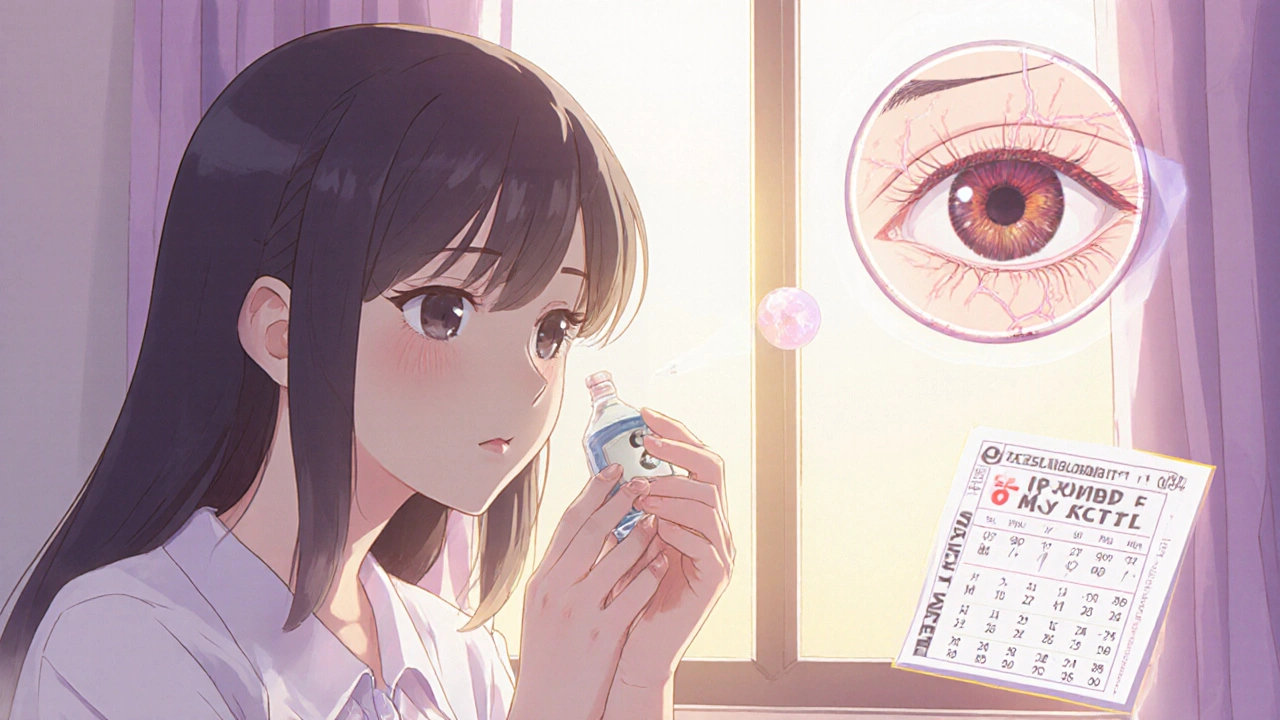
Steroid Eye Drops: Benefits, Risks, and How to Monitor Them Safely
Steroid eye drops reduce eye inflammation quickly but carry serious risks like glaucoma and cataracts. Learn how to use them safely, recognize warning signs, and why regular eye monitoring is non-negotiable.
- Drug Information (76)
- Health and Wellness (60)
- Pharmacy Information (32)
- Medical Conditions (24)
- Supplements (5)
- Diabetes (4)
- Travel Health (3)
- Mental Health (3)
- Heart Health (2)
- Parenting (2)
-
Fenticonazole for Diaper Rash: Is It Safe and Effective?
18 Jun 2023 -
International ICH Guidelines: How Global Harmonization Improves Medication Safety
31 Dec 2025 -
Panmycin: Uses, Dosage, Side Effects and Safety Guide
21 Sep 2025 -
Lupus Arthritis and Hydroxychloroquine: How This Drug Reduces Joint Inflammation and Prevents Flares
1 Dec 2025 -
Gallbladder and Biliary Disease: Understanding Stones, Cholangitis, and ERCP
29 Jan 2026
19.11.25
Alistair Mukondiwa
9