

Medication Itch Risk Assessment Tool
Use this tool to evaluate your symptoms. Disclaimer: This is not a medical diagnosis. Always consult your healthcare provider before changing medications.
| Medication Class | Common Examples | Typical Mechanism |
|---|---|---|
| Opioids | Morphine, Fentanyl | Non-histaminergic / Spinal administration |
| Antibiotics | Tetracyclines, Beta-lactams | Immunological hypersensitivity |
| Cardiovascular | Beta-blockers, ACE Inhibitors | Pharmacological / Indirect effects |
| Antihistamines | Cetirizine, Levocetirizine | Withdrawal-induced (after long-term use) |
Why some medications make you itch
Not all itching is created equal. When a drug causes Pruritus, it usually happens through one of two main paths: immunological or pharmacological. Immunological reactions are essentially your immune system overreacting. This can be an immediate allergic response or a delayed hypersensitivity. For example, certain antibiotics like tetracyclines can trigger this response, leading to systemic itching. Pharmacological reactions are different; they aren't necessarily "allergies" but rather indirect effects of the drug on your body. Some medications might cause your skin to dry out severely, while others can affect the liver, leading to cholestasis (where bile flow is blocked), which causes bile salts to accumulate in the skin and trigger an intense itch. There are also drugs that cause the direct release of histamine, the chemical your body produces during an allergic reaction, which binds to H1 receptors in the skin to create that "itchy" feeling.The strange case of antihistamine withdrawal
It sounds like a paradox: how can a drug designed to stop itching actually cause it? The FDA has highlighted a rare but severe reaction linked to the discontinuation of certain antihistamines, specifically cetirizine and levocetirizine. For people who have used these medications for a long time-often years-stopping the drug abruptly can trigger an intense rebound of pruritus. In a study of 209 cases, the FDA found that the risk increases with the duration of use. Most of these patients had been on the medication for over three months, with some taking it for over 20 years. The itching typically starts within one to five days of stopping the drug. In severe instances, this reaction has led to hospitalization and even thoughts of self-harm due to the sheer intensity of the physical distress.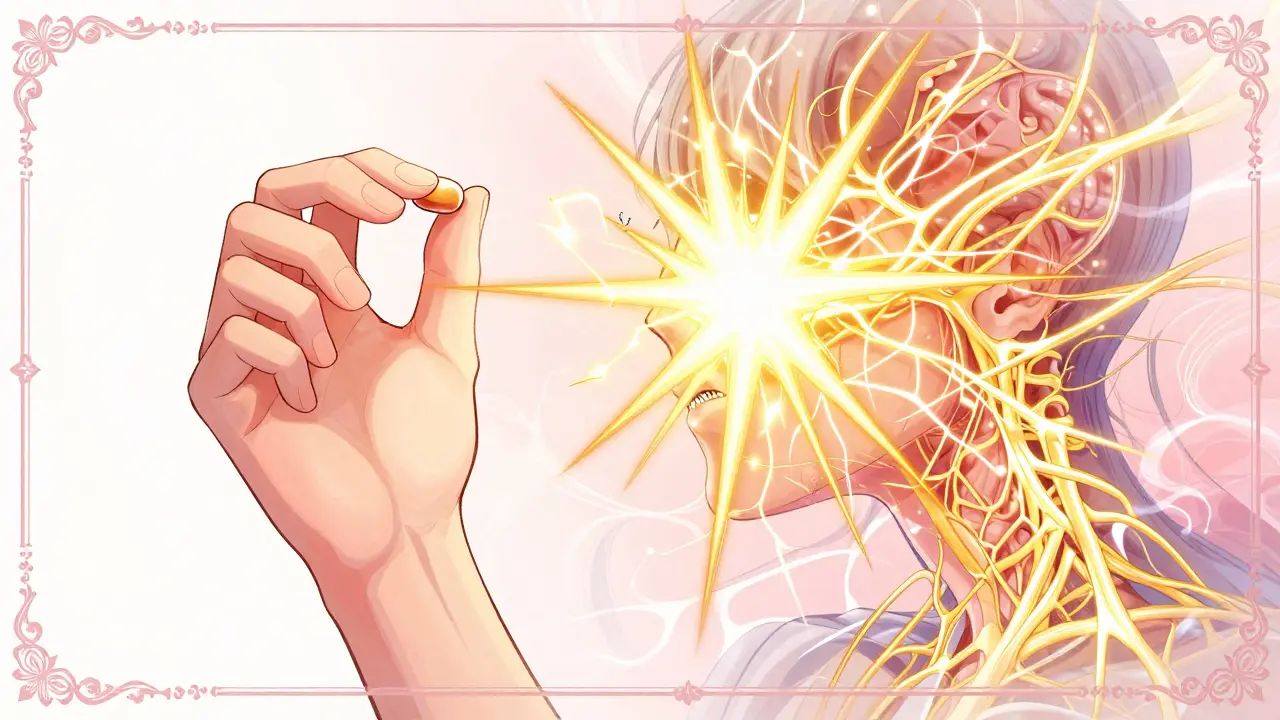
Who is most at risk?
While anyone can experience drug-induced itching, data suggests certain demographics are more susceptible. Research from Johns Hopkins University analyzed over a million patients and found that women are significantly more likely to experience this side effect than men. Specifically, about 70% of patients with drug-induced pruritus were female. Ethnicity also plays a role. For instance, chloroquine, used in anti-malarial therapy, causes itching in an estimated 55-90% of Black African patients. Additionally, the study noted a higher prevalence among Black patients overall compared to control groups. Certain high-risk medications also stand out. If you are taking heparin (a blood thinner), trimethoprim-sulfamethoxazole (an antibiotic), or calcium channel blockers (for blood pressure), you are statistically more likely to develop this side effect than those on other therapies.How to tell if your medication is the culprit
Identifying the cause of an itch is tricky because it often lacks a visible rash. To figure out if your meds are the problem, you need to look for a few specific clues:- Timing: Did the itching start shortly after you began a new medication? Or, conversely, did it start shortly after you stopped a long-term medication?
- Pattern: Is the itch generalized across your whole body, or is it concentrated in one area? Opioid-induced itching, for example, often starts 6-12 hours after spinal administration.
- Response to treatment: If an over-the-counter antihistamine doesn't touch the itch, it might be a non-histaminergic reaction, meaning it's being driven by different chemical messengers in your nerves.
Treatment and management options
The most effective way to stop drug-induced itching is to remove the trigger. However, you should never stop taking a prescribed medication without talking to your doctor first, especially if it's for a chronic condition like heart disease or epilepsy. Depending on the cause, treatments vary:- Topical Relief: For itching associated with dry skin, thick moisturizers and topical steroids can help. Some people find relief using cooling gels or capsaicin creams to "distract" the nerves.
- Systemic Medications: H1 antihistamines work well for histamine-driven itches. For more stubborn, non-histaminergic itching, doctors may prescribe antidepressants or neuroleptics, which can relax the receptors in the body that signal itchiness.
- Tapering: In the case of antihistamine withdrawal, restarting the medication often stops the itch quickly. From there, a doctor can help you slowly taper the dose to avoid a relapse.
- Lifestyle Adjustments: Keep your skin hydrated with daily moisturizing and avoid known triggers like hot showers or harsh soaps, which can make the skin more reactive.
When to seek urgent help
Most drug-induced itching is a manageable side effect, but there are times when it signals a medical emergency. You should seek immediate care if the itching is accompanied by:- Swelling of the lips, tongue, or throat (a sign of anaphylaxis).
- Difficulty breathing or wheezing.
- A sudden, widespread blistering of the skin.
- High fever and chills along with the itch.
Does stopping the medication always cure the itching?
In most acute cases (lasting less than 6 weeks), the itching disappears once the drug is cleared from your system. However, for chronic cases lasting longer than 6 weeks, the symptoms may persist even after the medication is stopped, requiring additional medical treatment to resolve.
Why do opioids cause itching even if I'm not allergic?
Opioid-induced pruritus is usually not a true allergy. Instead, it's often caused by the medication triggering a release of histamine or interacting directly with mu-opioid receptors and the nervous system, particularly when administered in the spinal area.
Can I use moisturizing creams to stop drug-induced itching?
Moisturizers can be very helpful if the medication is causing secondary dry skin or dermatitis. While they won't stop the internal chemical reaction causing the itch, they protect the skin barrier and reduce the external triggers that make the itching feel worse.
How long does it take for the itching to stop after quitting a drug?
It varies wildly. Some people feel relief within hours of the drug leaving their system. However, some reactions, like those caused by hydroxyethyl starch, can be incredibly stubborn and persist for up to 15 months after the infusion therapy has ended.
What is the difference between pruritus and a rash?
Pruritus is the medical term for the sensation of itching itself. A rash is a visible change in the skin (like redness, bumps, or blisters). You can have pruritus without a rash, which is common in many drug-induced reactions where the skin looks normal but feels like it's crawling.
This is a great breakdown of a really frustrating symptom. Many people just assume they have dry skin or an allergy to soap when it's actually a systemic reaction. One thing to add is that keeping a detailed medication log-including the exact brand and dosage-can help your doctor pinpoint the culprit much faster during a consultation.